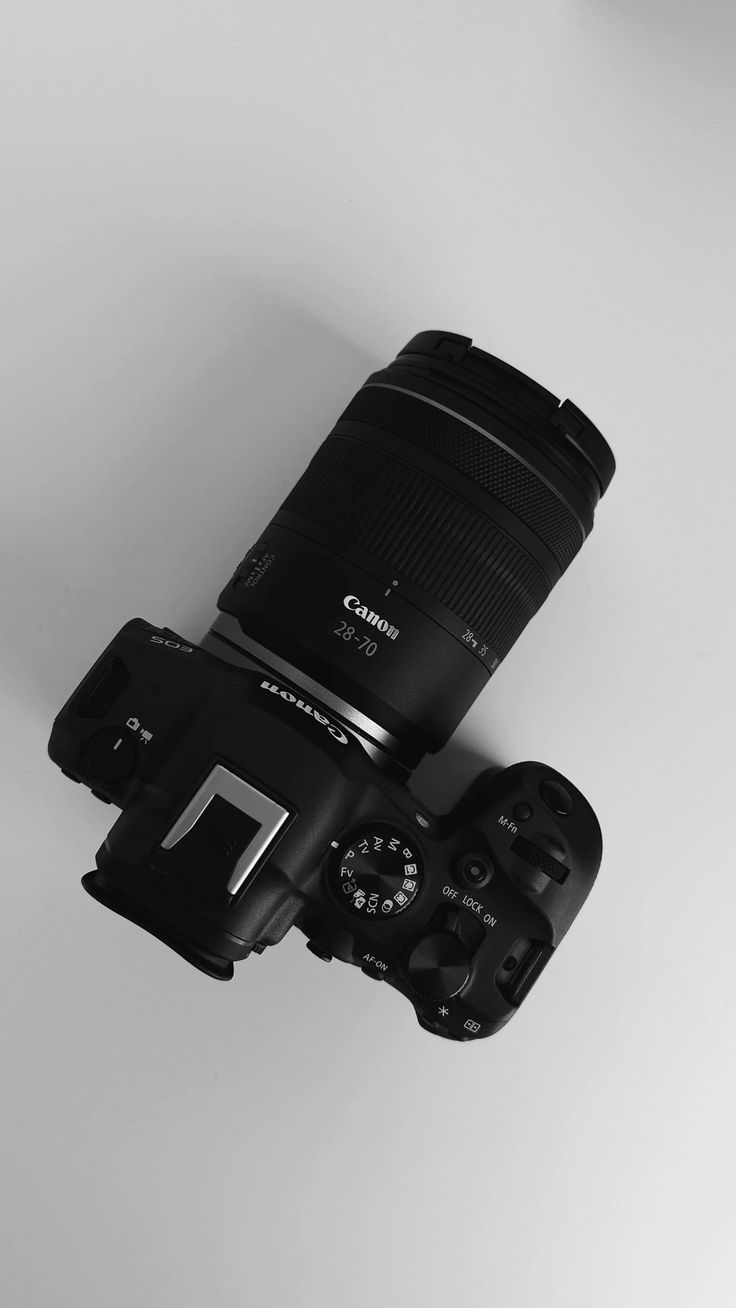
What Not Having My Camera Taught Me
(And Why Owning More Than One Matters)
I can officially confirm my camera is repaired. I know this because Canon finally charged my card.
So technically, it’s done. Fixed. Ready. And yet… I still don’t have it back.
It’s in that in-between phase where I know it’s coming, but it’s not in my hands. And surprisingly, this waiting period has been more reflective than I expected. Because when you’re used to having your camera with you all the time, not having it changes something.
Realizing How Much I Rely on It
I don’t carry my big camera everywhere. I’m not constantly shooting every moment of my life. But I like knowing it’s available. It’s usually in my bag or close by, ready if something catches my eye.
When that option disappears, you feel it in subtle ways.
You notice light differently. You notice movement. You notice moments that would have made a beautiful frame. And instead of instinctively reaching for your camera, you just sit with it.
Lately, now that it’s warming up, I’ve been sitting on my balcony after work almost every day. That’s usually when I grab my camera to photograph birds passing by or perched nearby. I’ll zoom in on small details, wait patiently for the right angle, or track their movement across the sky. And every full moon, if it’s visible, I step outside and take a few photos — nothing dramatic, just part of my quiet routine.
Not having my camera during those moments has felt especially noticeable. I still sit out there. I still watch. But there’s an instinct that doesn’t get to follow through.
It made me realize how much photography has shaped the way I move through the world. My brain is constantly framing, composing, observing. Even when I’m “off,” I’m seeing in photos. And when I can’t act on that instinct, it feels strangely quiet.
Not bad. Just different.
The Professional Side of It
Beyond the emotional attachment, there’s a very real professional layer to this.
When your camera is a tool you rely on for work, not having it introduces a level of stress. Even if you don’t have a session scheduled that week. Even if nothing urgent is on the calendar. There’s still a vulnerability in knowing your primary piece of equipment is out of your control.
Photography isn’t just creative. It’s logistical. Clients trust you to show up prepared. They trust you to handle whatever happens. And part of being professional is minimizing risk wherever you can.
I actually had a fun creative shoot planned for February. Nothing high-pressure. Just something I was excited about — a chance to experiment, create, and try something different. And then my camera broke. So now that shoot has to wait until March.
It’s not the end of the world. But it’s a reminder that even personal projects depend on reliable gear. Inspiration doesn’t always wait for repairs. Momentum doesn’t either.
When your only camera body is gone, you’re reminded how quickly plans can shift. And how important it is to have options.
Why Backups Matter More Than You Think
There’s a reason experienced photographers don’t rely on a single camera body.
It’s not about having the newest gear or doubling up for fun. It’s about protecting your ability to deliver. Cameras are electronics. They fail. They need servicing. They overheat. They develop internal issues that you can’t diagnose yourself. Owning more than one body isn’t excessive. It’s practical.
Right now, my backup is my old DSLR — a Canon Rebel T100. And while I’m incredibly grateful to have it, going from my mirrorless R6 Mark II back to a beginner DSLR has been… humbling.
It’s nostalgic in a way. That camera was once my main body. I built so much of my early work on it. I learned exposure on it. I figured out manual settings on it. It carried me through the beginning stages of taking photography seriously.
But after getting used to mirrorless performance — the autofocus speed, the low-light capability, the file depth — you really feel the difference. And that realization is important.
Because if something goes wrong mid-wedding, mid-event, or mid-session, you don’t get to pause and say, “Hold on, let me send this to Canon.” You need to keep going.
Your backup doesn’t have to be your dream setup. But it has to be good enough to protect the moment. That’s what backups are for!
Slowing Down in the In-Between
There’s something unexpectedly humbling about being without your main camera.
When you don’t have it within reach, you’re forced to move through moments differently. You notice light hitting a building at golden hour. You see a bird land just long enough for what would have been a perfect frame. You catch a shift in expression or movement that your instinct tells you to document. And instead of lifting the camera, adjusting settings, and freezing it in time, you just watch it happen.
It forces you to slow down in a way that’s uncomfortable at first. You lean into observation instead of capture. You let moments exist without turning them into files.
It’s been a quiet reminder that photography is both instinct and choice. The instinct to document is strong, especially when it’s something you’ve trained your eye for over years. But the choice not to photograph something can also be meaningful. Not every beautiful frame has to be taken. Not every moment has to be preserved to be valid.
At the same time, this space without my main camera has made me realize how deeply I value having the ability to capture when I want to. Photography isn’t just a job for me. It’s how I process the world. It’s how I slow down. It’s how I pay attention.
So when my camera finally makes its way back to me, I don’t think I’ll take that access for granted. I think I’ll hold it a little differently — not just as a tool, but as something I’m grateful to have again.
Final Thoughts
This whole experience has reminded me that photography isn’t just about creativity. It’s about responsibility.
Protecting your gear matters. Coverage matters. Maintenance matters. But what matters just as much is preparing for the space in between — the days when your main camera is in a repair facility, when plans shift unexpectedly, when you’re waiting instead of shooting.
Because those moments will happen. Repairs happen. Shipping delays happen. Internal issues appear without warning. And when they do, the difference between stress and steadiness often comes down to whether you planned for it.
Having a backup isn’t about paranoia. It’s about professionalism. It’s about protecting the trust clients place in you. It’s about protecting your own momentum and creative flow.
Your gear is an investment, yes. But so is your reliability. So is your peace of mind.
And sometimes the most professional thing you can do isn’t buying the newest lens. It’s making sure you can keep going when something stops working.