What I’ve Learned From Second Shooting Weddings
Second shooting weddings has quickly become one of my favorite roles in wedding photography.
When most people think about wedding photography, they imagine the lead photographer directing portraits and capturing the major moments. But behind the scenes, there is often a second photographer helping document the day from a different perspective.
Being a second shooter means stepping into a wedding day with the goal of supporting the lead photographer while also capturing moments that might otherwise go unseen. It’s a role that requires awareness, adaptability, and trust.
And over the past couple of weddings I’ve second shot, I’ve realized that it’s also one of the best learning experiences a photographer can have.
Learning From Photographers With More Experience
One of the most valuable parts of second shooting is the opportunity to work alongside photographers who have more experience in the wedding industry.
Every photographer approaches a wedding day differently. Some are more documentary-focused, others are more directive with posing and portraits, and many blend both styles depending on the moment.
When you’re second shooting, you get a front-row seat to how someone else manages the pace of a wedding day. You see how they communicate with couples, how they organize group portraits, how they adapt to changing light, and how they anticipate important moments before they happen.
It’s the kind of learning you simply can’t get from watching tutorials or reading photography guides. Being physically present and observing someone else’s workflow teaches you how much preparation and intuition goes into documenting a wedding well.
Getting Out of Your Comfort Zone
Second shooting also pushes you out of your comfort zone in ways that are incredibly valuable.
When you’re photographing a wedding, there are no retakes. The moments happen once and they’re gone. The first look, the vows, the reactions during speeches, the walk back down the aisle. All of these moments happen in real time, and you have to be ready for them.
As a second shooter, you’re constantly thinking about angles, positioning, and timing while making sure you aren’t interfering with the lead photographer’s work. You’re learning how to move quietly through a space, anticipate reactions, and capture moments without drawing attention.
It’s a different type of pressure than other kinds of photography, but it’s also incredibly rewarding when you capture something meaningful in a single frame.
Capturing a Different Perspective of the Day
One of the biggest advantages of having a second shooter is that weddings rarely happen in just one place at one time.
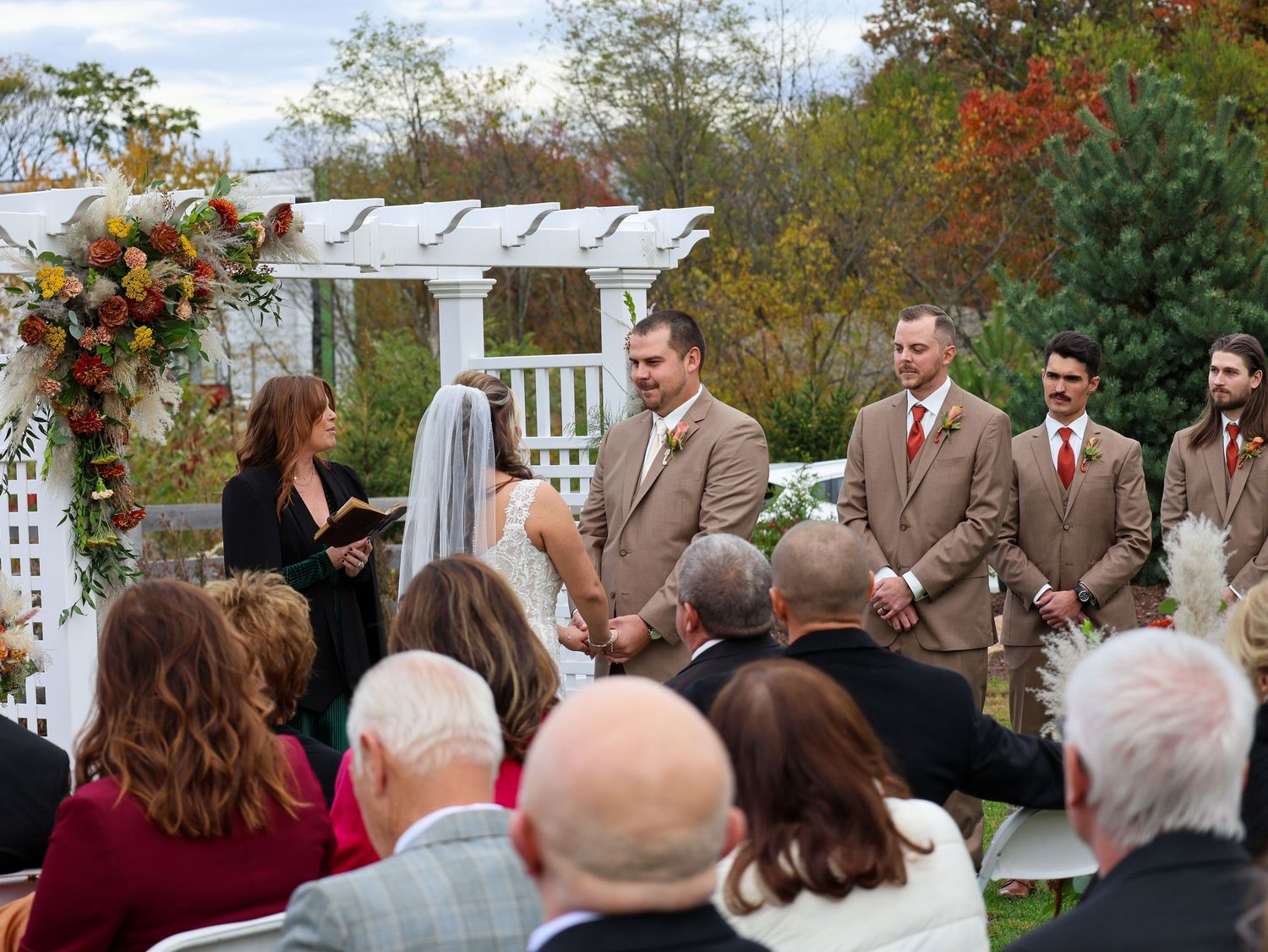
While the lead photographer might be focused on the couple during the ceremony, a second shooter can capture reactions from parents, friends, and guests. During portraits, a second photographer might be documenting candid interactions happening nearby. At the reception, there are often dozens of small moments unfolding at once.
Second shooters help expand the visual story of the wedding day. Instead of one perspective, couples receive a more complete picture of everything that happened around them.
Some of the most emotional images from a wedding gallery come from those alternate perspectives.
The Importance of Trust
Second shooting also comes with a level of trust from both the lead photographer and the couple.
The lead photographer trusts you to represent their work professionally and to capture important moments without needing constant direction. At the same time, the couple trusts that everyone with a camera on their wedding day is there to help document one of the most important days of their lives.
That trust isn’t something I take lightly. It’s a reminder that wedding photography isn’t just about technical skill. It’s about responsibility, awareness, and respect for the significance of the day.
Some Final Thoughts
Second shooting has reminded me that wedding photography is as much about teamwork as it is about individual creativity.
Working alongside other photographers, learning from their experience, and pushing myself to capture meaningful moments in real time has been one of the most rewarding parts of photographing weddings.
Every wedding is different, and every photographer approaches it a little differently. Being part of that environment, even as a second shooter, offers constant opportunities to grow.
And the more I do it, the more I appreciate how much collaboration and trust go into documenting a wedding day well.