A Bird Photography Day at the National Aviary in Pittsburgh, Pennsylvania
Some photo days are planned around people. Others are planned around moments. This one was planned around birds — and yoga.
I visited the National Aviary in Pittsburgh, PA as part of a special partnership event between the Counseling & Wellness Center of Pittsburgh and the National Aviary. The event included a free, bird-themed yoga class followed by discounted admission to explore the aviary. The yoga session featured bird poses like eagle, crow, and half pigeon, along with bird-adjacent poses like tree — a thoughtful, calming way to connect movement, nature, and mindfulness before stepping into a space filled with living, breathing wildlife.
After class, I grabbed my camera and spent the afternoon photographing some of the incredible birds housed at the National Aviary. Each one had its own personality, movement style, and visual presence — making this a creatively refreshing shift from my usual people-centered photography.
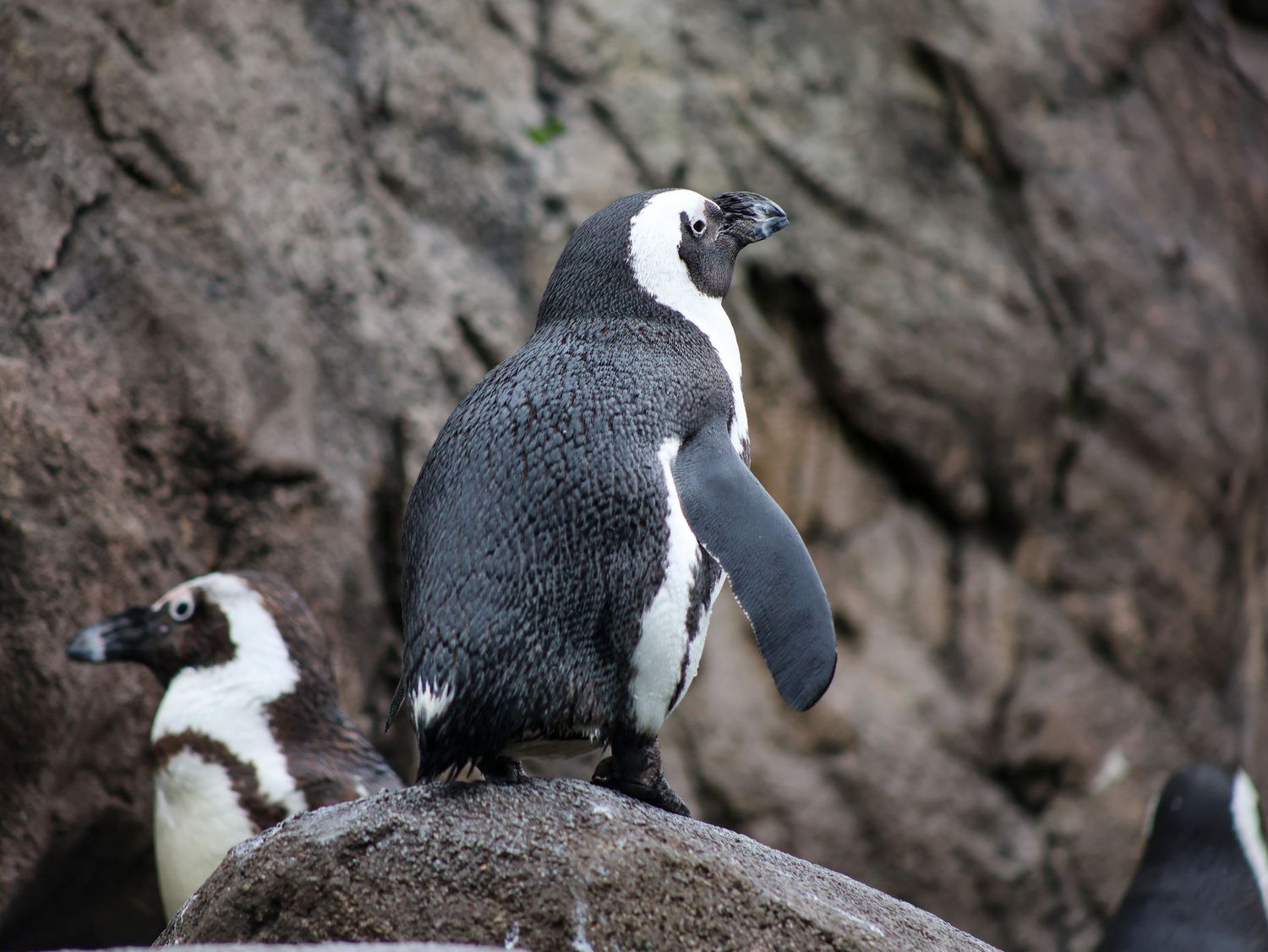
African Penguin
African penguins are one of the most charismatic birds at the aviary, instantly recognizable by their tuxedo-like markings and playful movement.
Native to the coasts of southern Africa, this species is endangered in the wild, making conservation efforts especially important.
Photographing them was all about timing — catching them mid-waddle, diving, or interacting with one another in ways that felt both humorous and heartfelt.
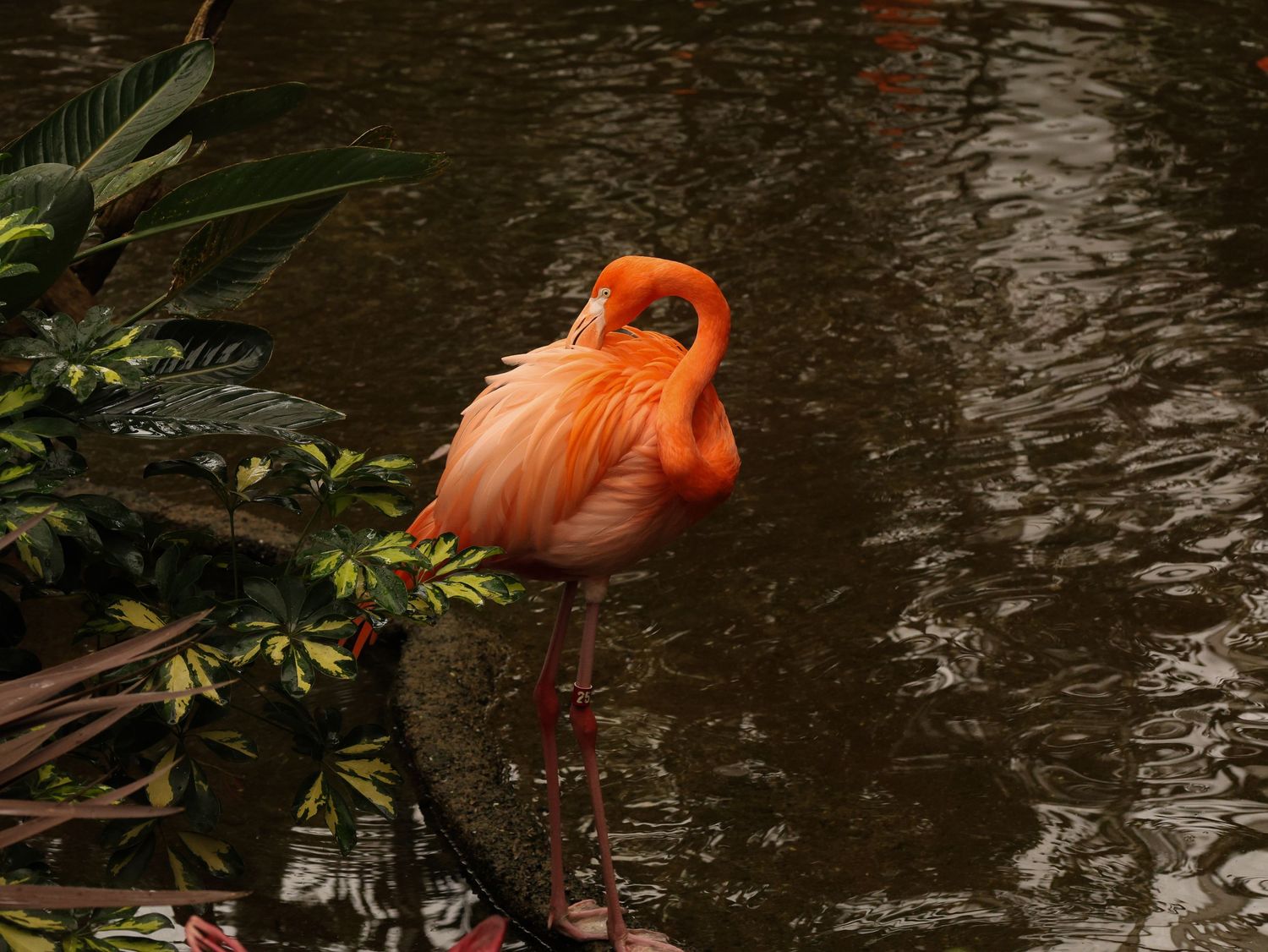
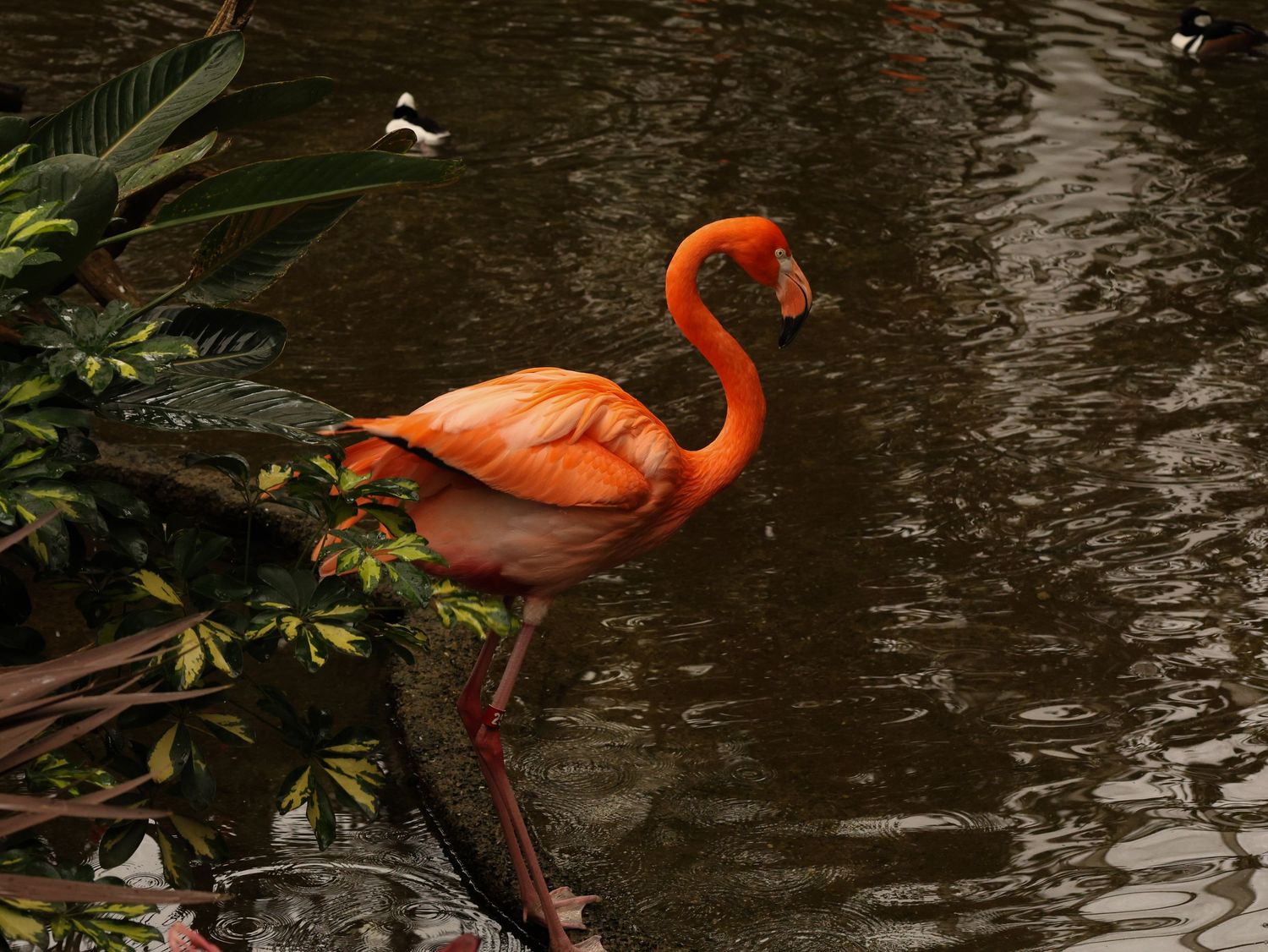
American Flamingo
With their vibrant pink feathers and long, elegant legs, American flamingos bring an undeniable sense of drama to any frame.
Their coloring comes from their diet, rich in carotenoids, which makes them even more fascinating from a biological standpoint.
Photographing them felt almost surreal — their slow, graceful movements contrasted beautifully against the structured aviary environment.
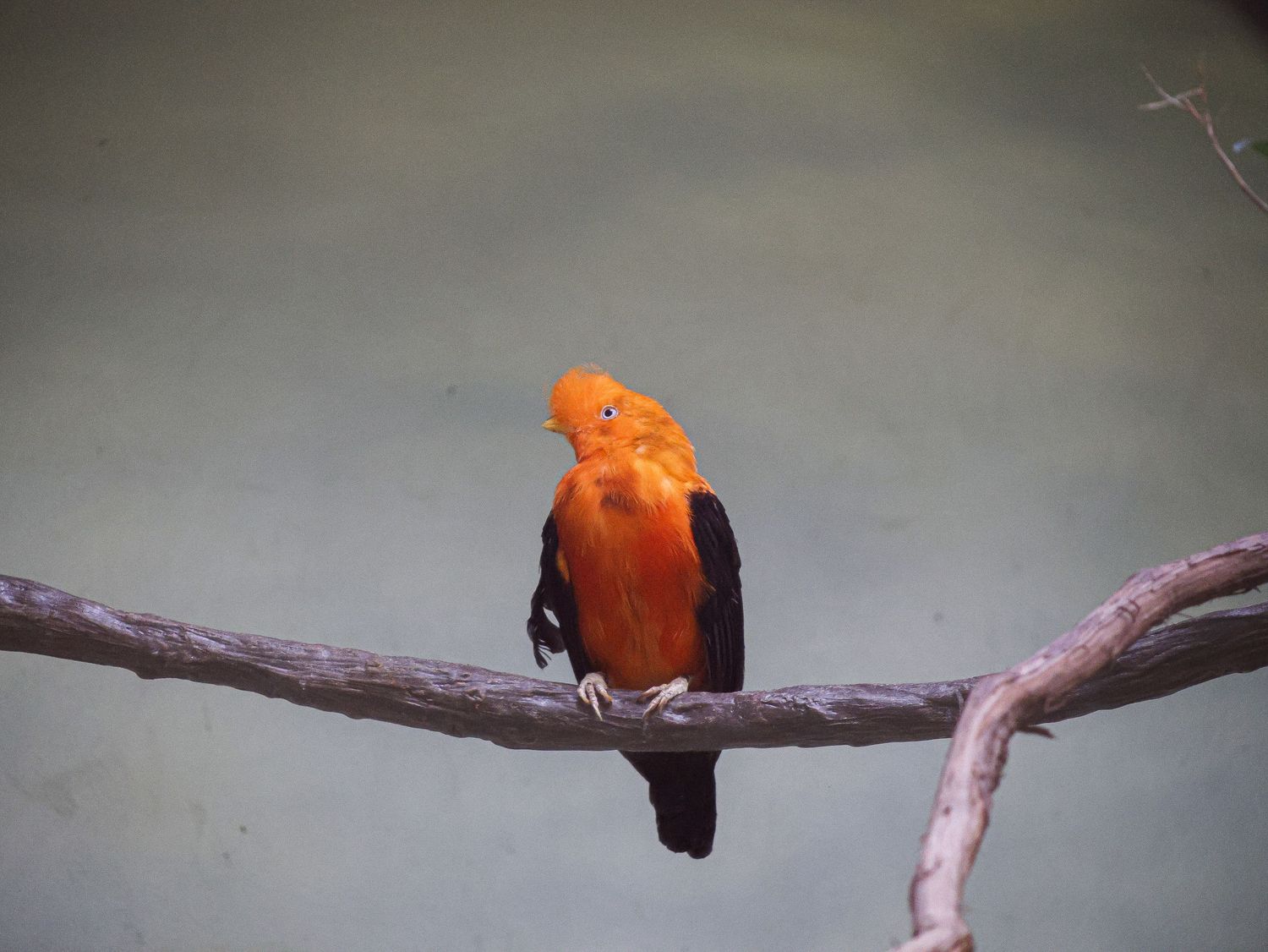
Andean Cock-of-the-Rock
The Andean cock-of-the-rock is one of the most visually striking birds in the aviary, known for its bold orange coloring and dramatic crest.
Native to South American cloud forests, this species looks almost unreal in person.
Photographing it was all about highlighting its intense color and unique shape — a true statement subject.
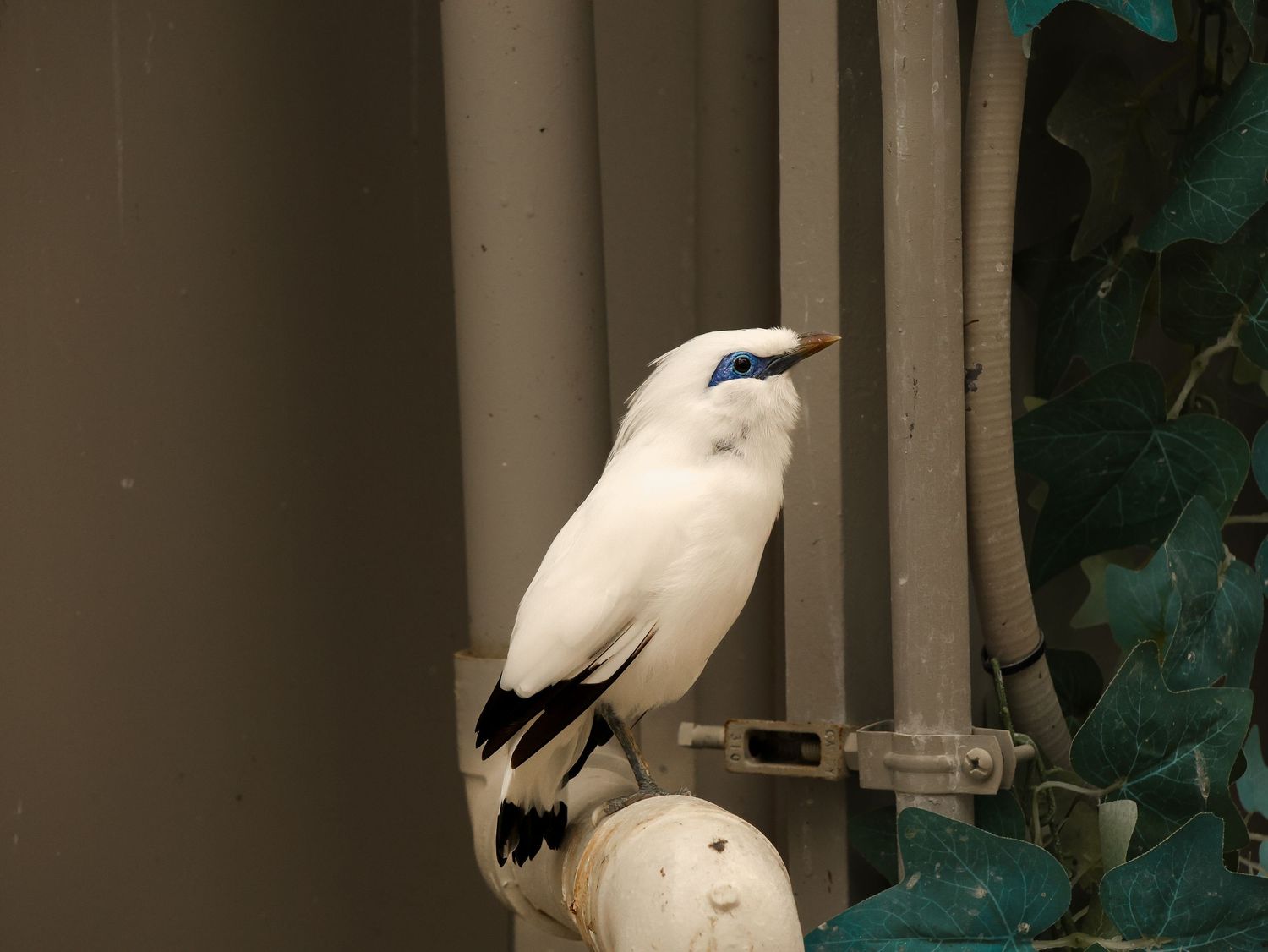
Bali Myna
The Bali myna is a critically endangered bird native to Indonesia, recognizable by its pure white feathers and striking blue eye patches. Its rarity makes seeing one in person especially meaningful.
Photographing this bird felt quiet and intentional — capturing a species that represents both beauty and the urgent importance of conservation.
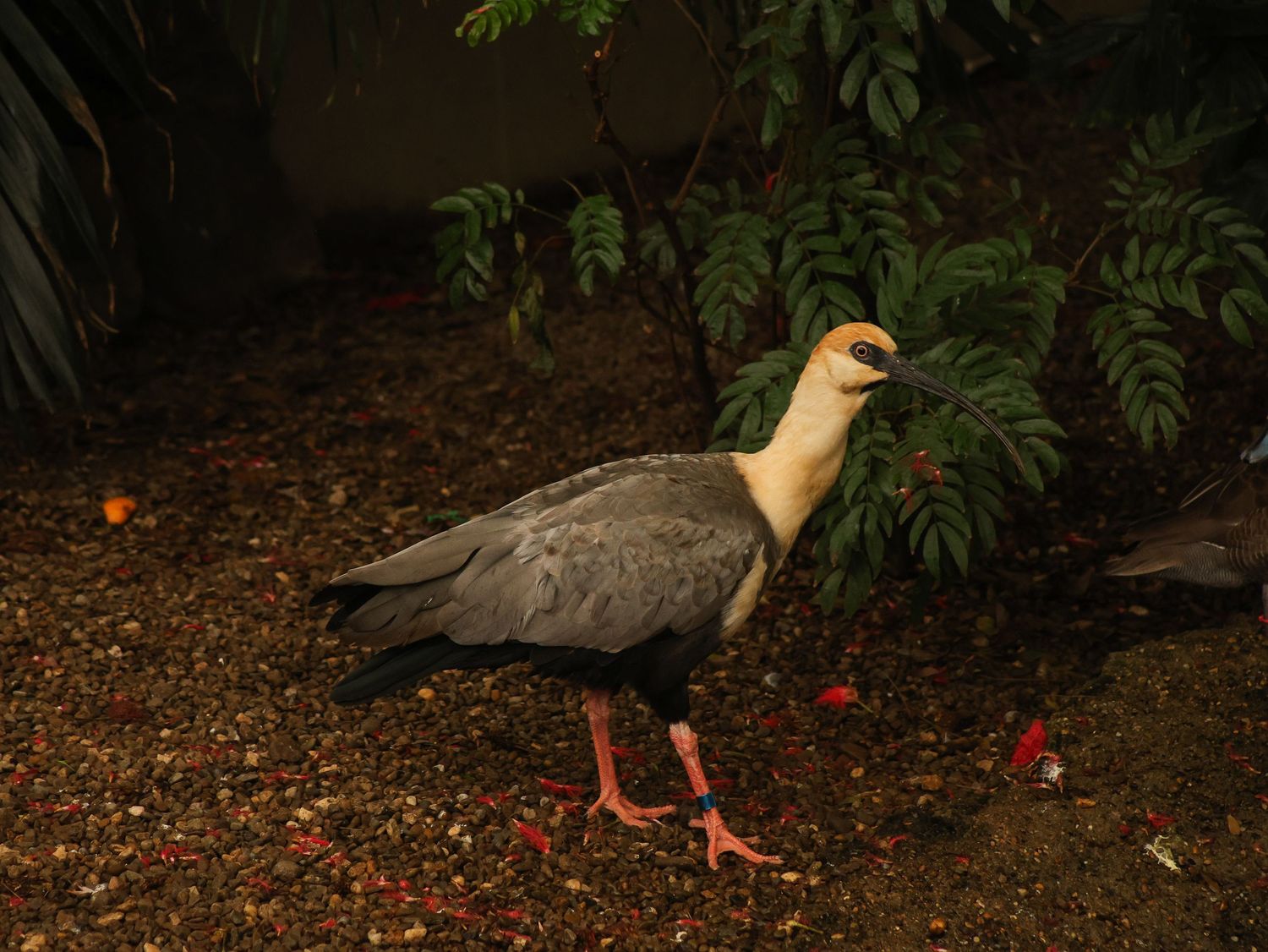
Black-Faced Ibis
The black-faced ibis has a sleek, understated elegance, with long legs and a curved bill that gives it a distinctive silhouette. Native to parts of South America, this bird moved slowly and deliberately, making it perfect for thoughtful, composed shots. Its calm presence added a grounding energy to the session.
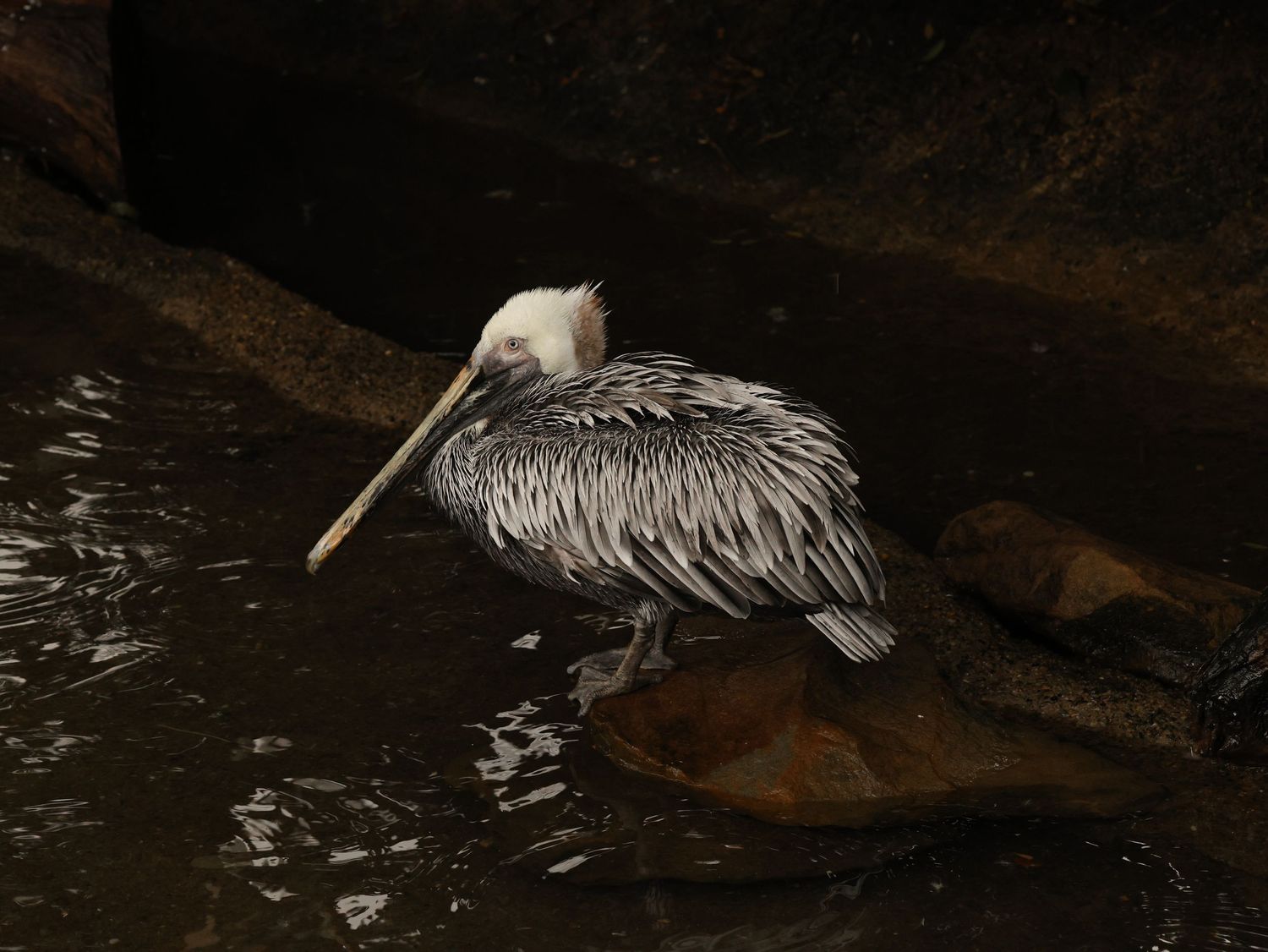
Brown Pelican
Brown pelicans are known for their massive bills and iconic throat pouches, which they use to scoop up fish while diving. Watching one move up close offered a totally different perspective than seeing them along a coastline.
Photographing this bird was all about capturing scale, texture, and the unique character in its expressions.
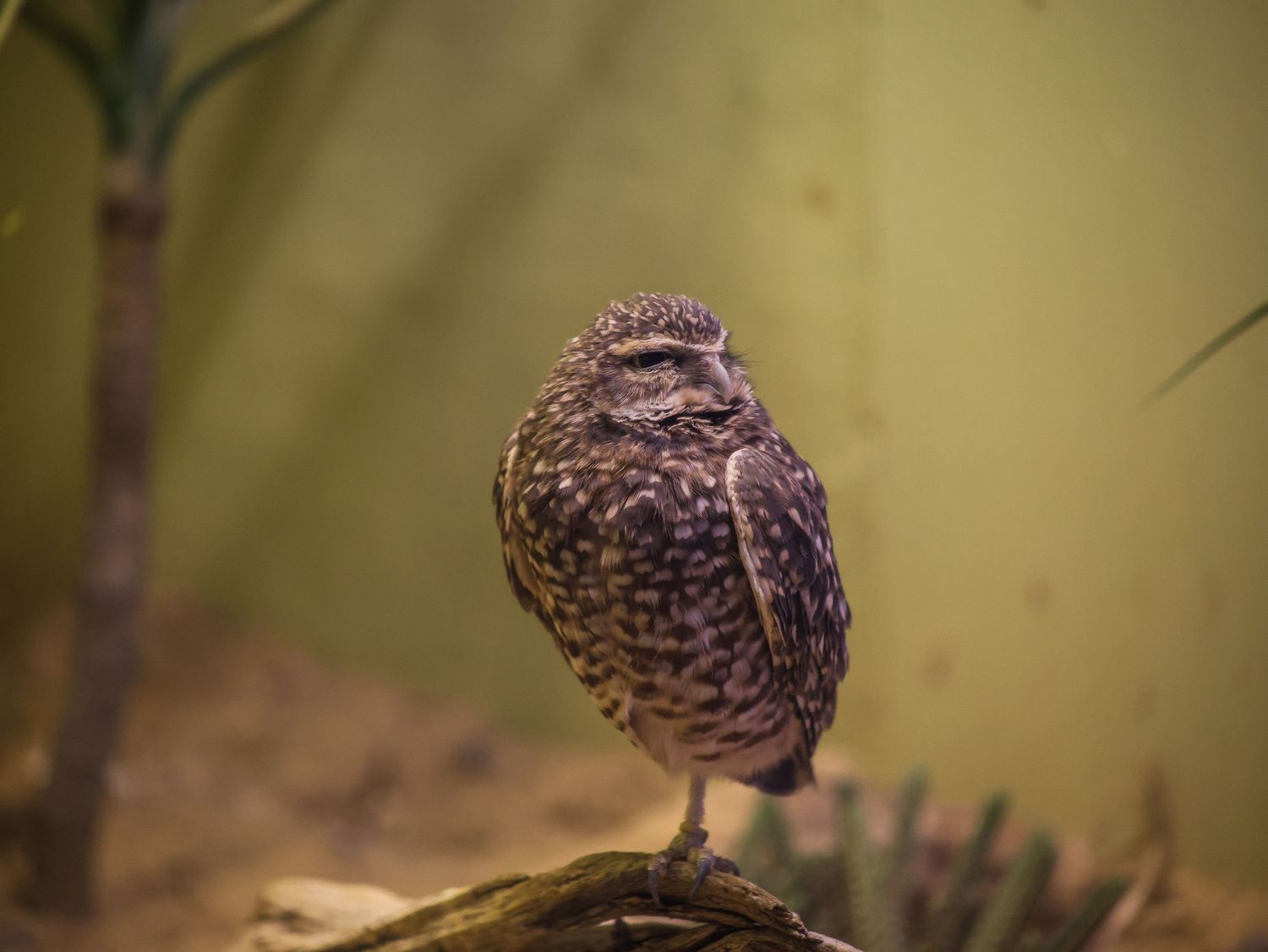
Burrowing Owl
Small but full of personality, the burrowing owl is instantly charming with its wide eyes and upright posture. Unlike many owls, this species lives in burrows on the ground, often repurposing holes made by other animals.
Photographing it felt playful — every tilt of the head added a new layer of expression.
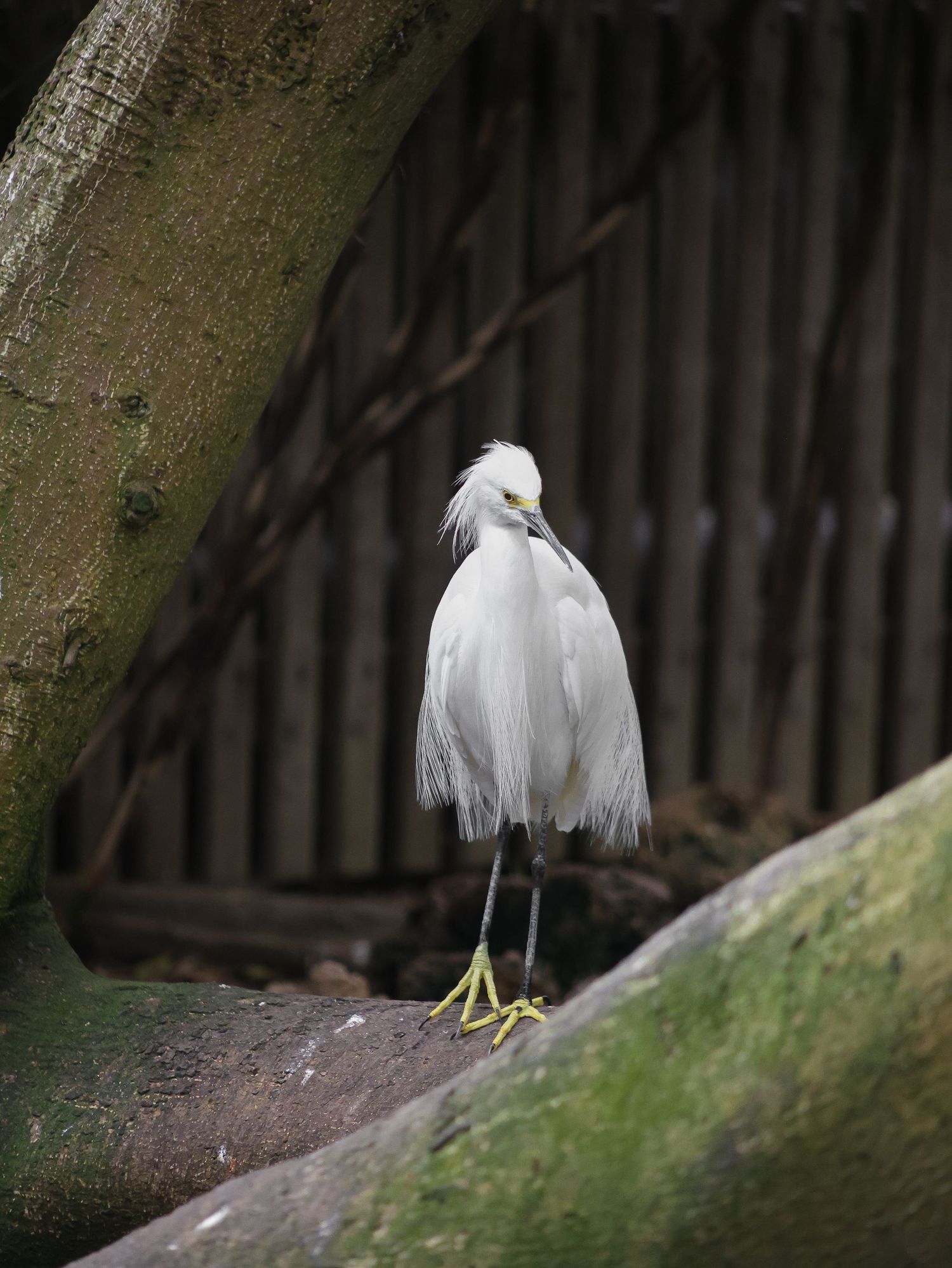
Eastern Cattle Egret
Eastern cattle egrets are elegant, long-necked birds often seen near grazing animals in the wild, feeding on insects stirred up by movement. Their clean white feathers and sharp posture made them a joy to photograph. This species brought a sense of simplicity and balance to the visual mix.
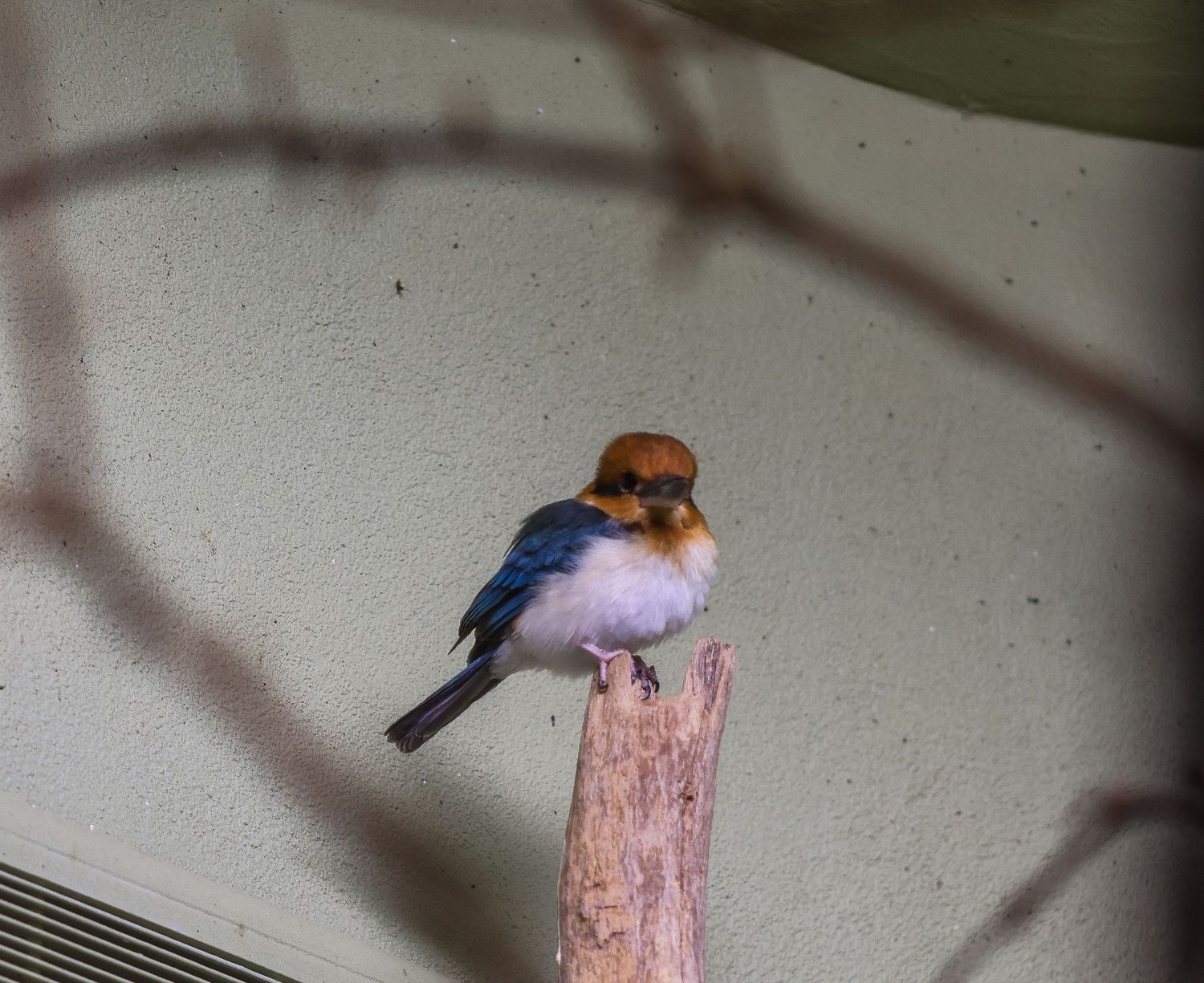
Eurasian Eagle-Owl
The Eurasian eagle-owl is massive, powerful, and quietly commanding. With piercing orange eyes and dramatic ear tufts, it carries an unmistakable presence.
Photographing this owl felt intense in the best way — every frame had weight, depth, and emotion behind it.
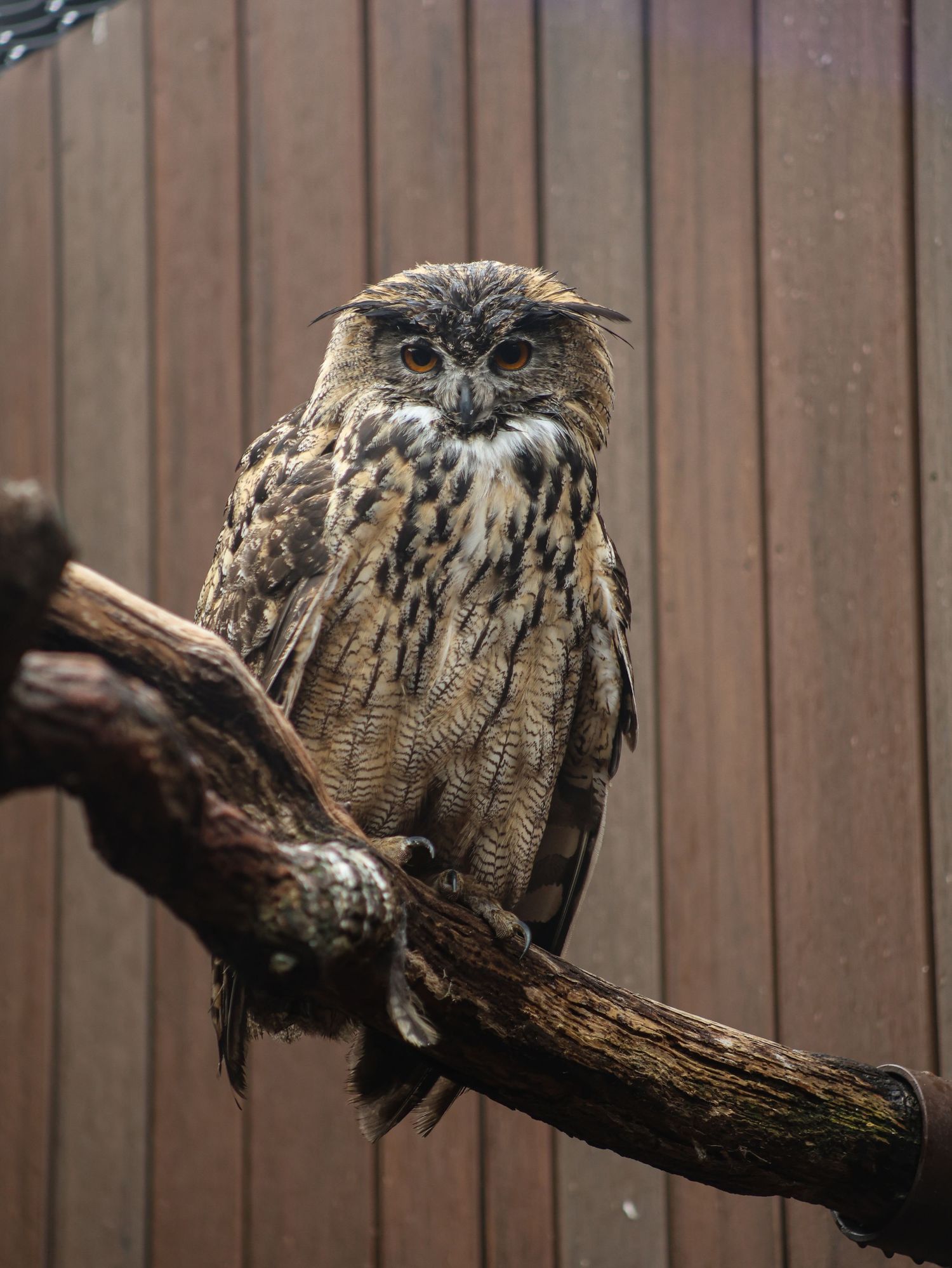
Guam Kingfisher
The Guam kingfisher is extinct in the wild, making conservation breeding programs vital to its survival. Its rich rust-colored feathers and alert posture made it visually captivating.
Photographing this bird felt especially meaningful — a reminder of how photography can document species that rely entirely on human stewardship.
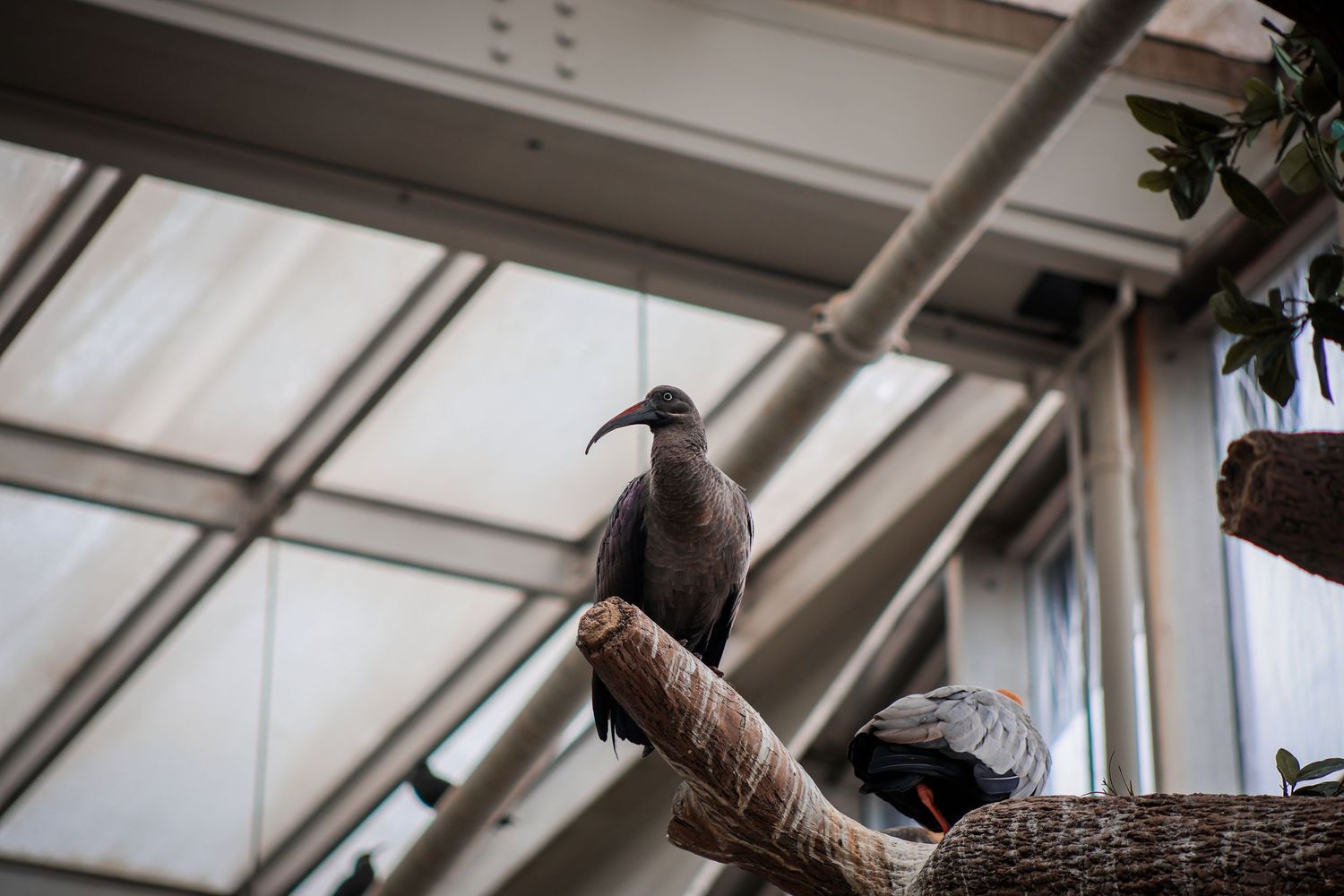
Hadada Ibis
The hadada ibis is named for its loud, unmistakable call, but visually it’s just as striking with its iridescent feathers and long, curved bill.
Native to Africa, this bird shimmered subtly as it moved, making lighting a key part of capturing its texture and depth.
Hyacinth Macaw
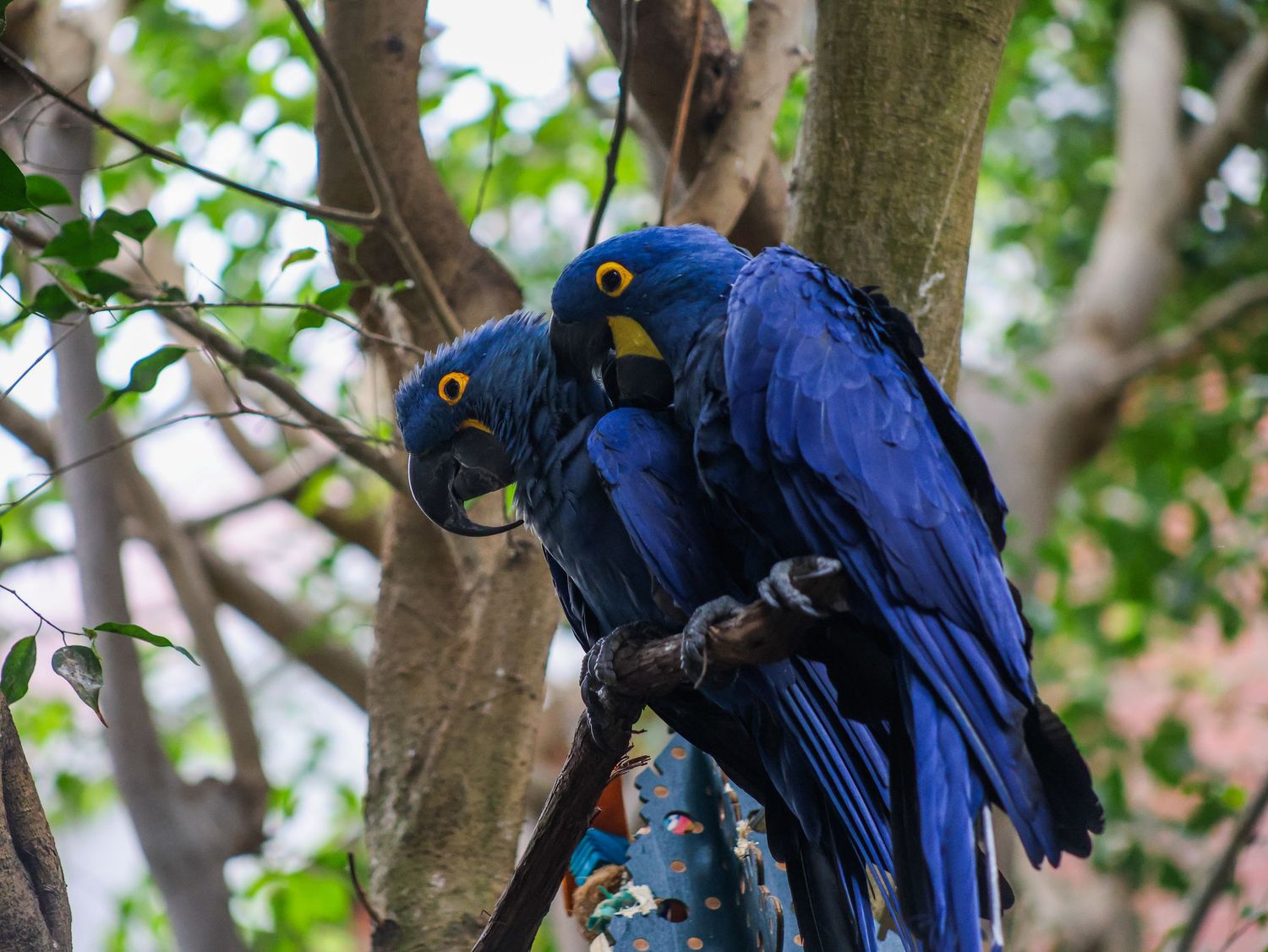
The hyacinth macaw is the largest flying parrot in the world, known for its bold cobalt-blue feathers and bright yellow facial markings.
Photographing this bird was pure joy — its size, color, and expressive personality made every frame feel alive and dynamic.
Inca Tern
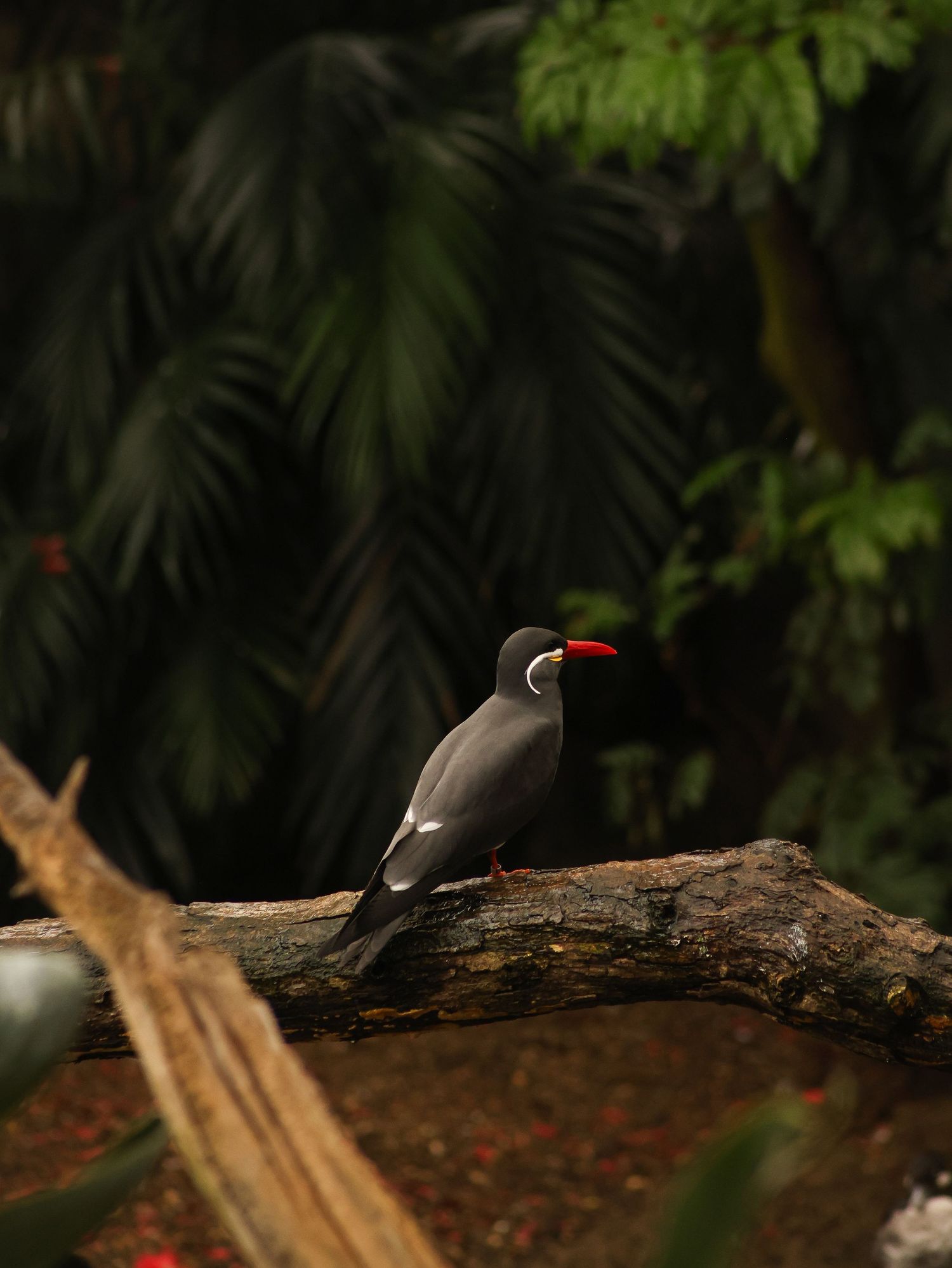
With its curled white “mustache” feathers and sharp red bill, the Inca tern looks like a character straight out of a storybook.
Native to South America, this bird’s dramatic facial features made it one of the most fun subjects to photograph. Every angle revealed a new layer of personality.
Palm Cockatoo
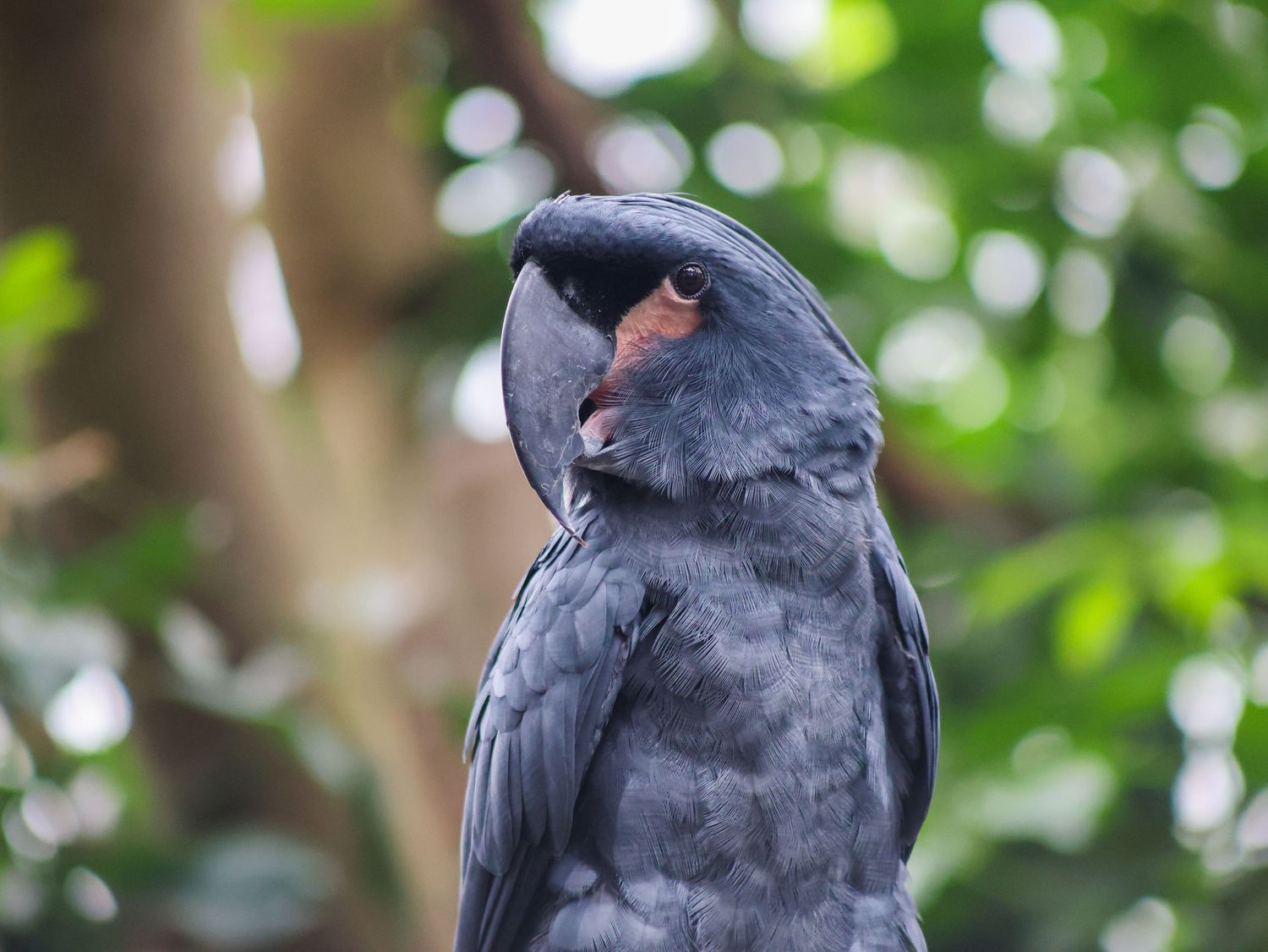
Bubba, the palm cockatoo, is truly unforgettable. Known for their large size and striking crest, palm cockatoos are among the most intelligent parrot species.
Bubba’s presence felt calm, observant, and quietly curious — and photographing him felt less like shooting a subject and more like documenting a character.
Snowy egret
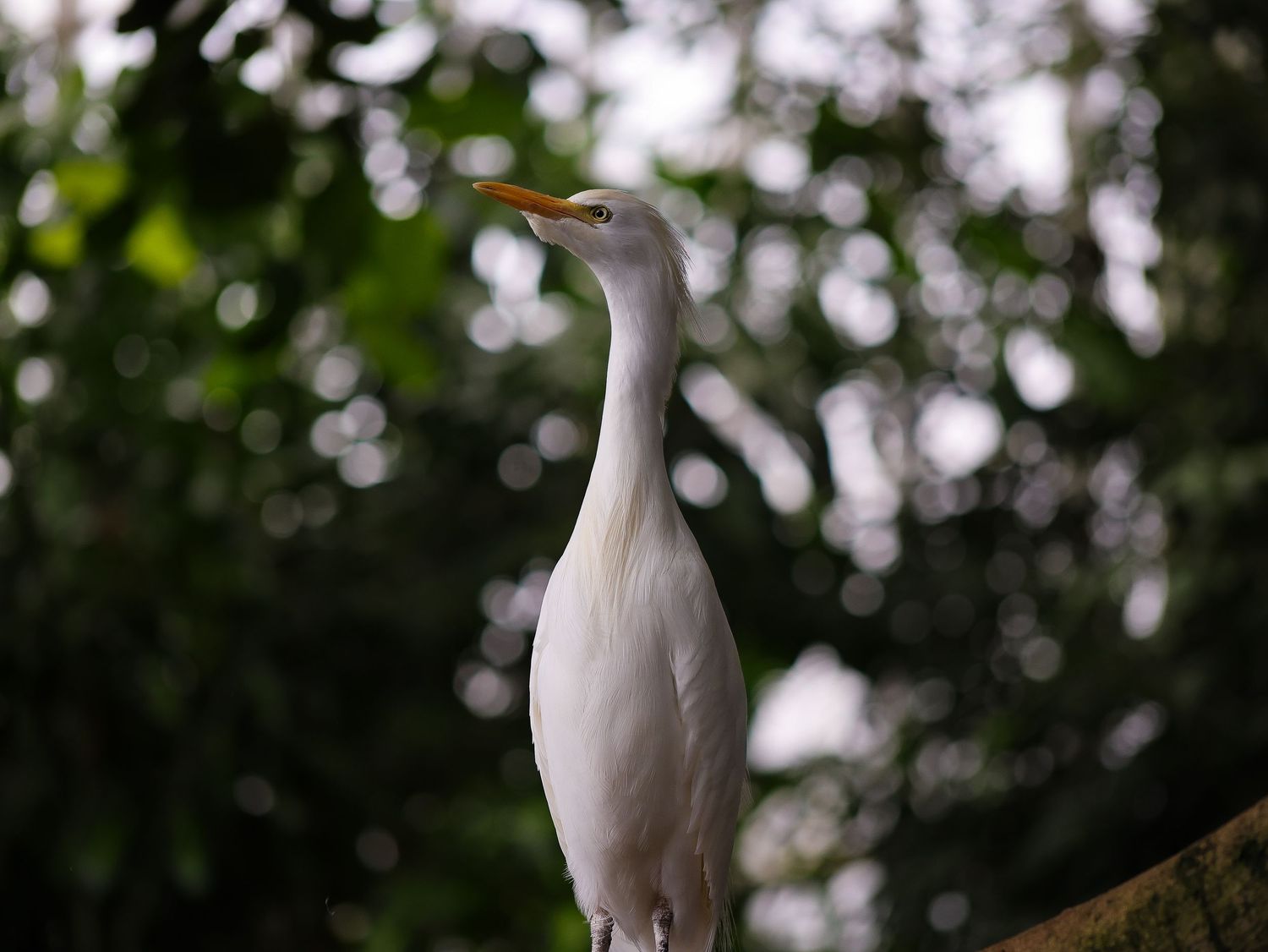
Snowy egrets are graceful, bright white birds known for their delicate plumes and slow, elegant movements.
Photographing this species felt peaceful and meditative — their clean lines and subtle motion created images that felt light, airy, and timeless.
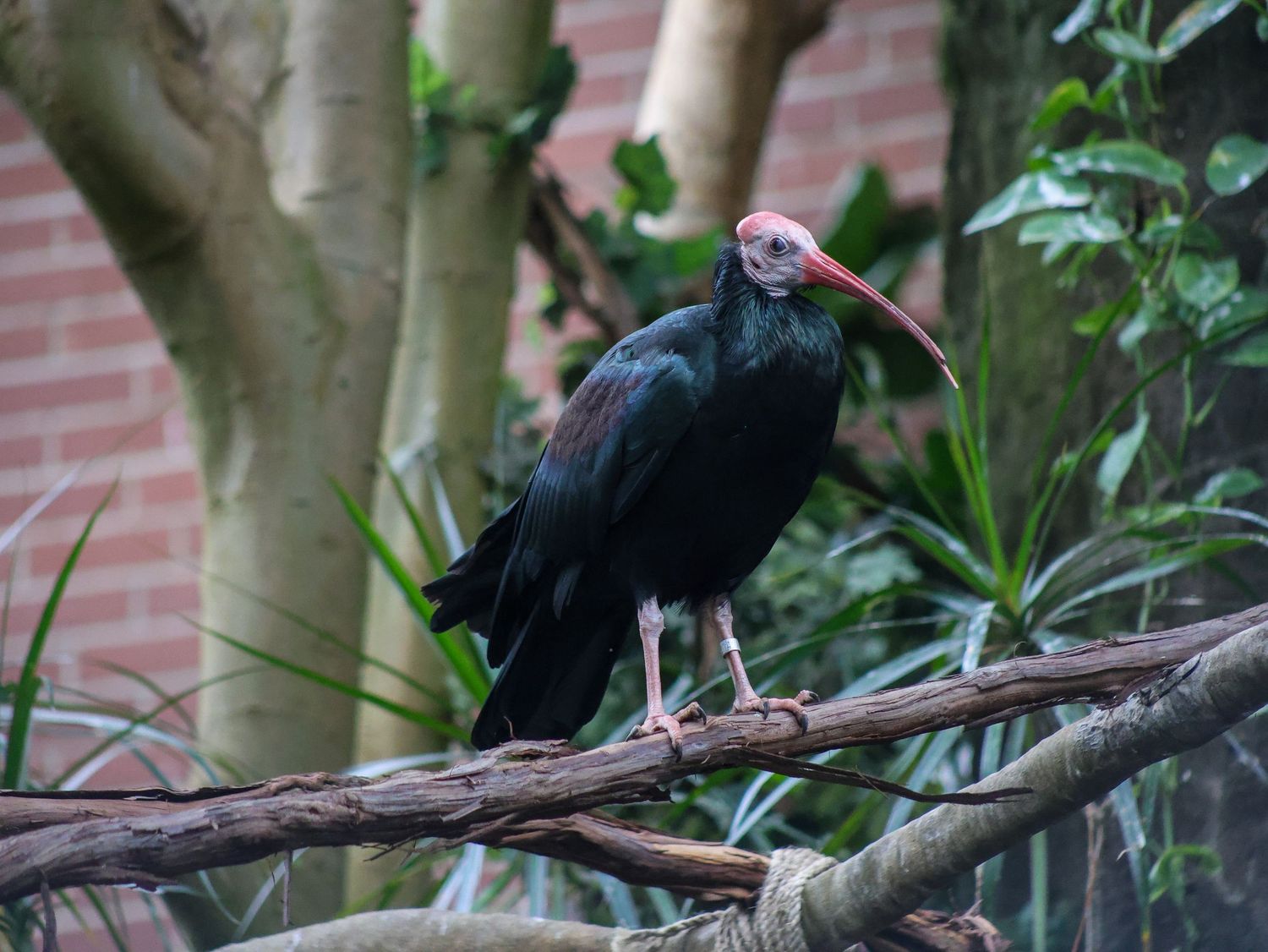
Southern Bald Ibis
The southern bald ibis is visually bold, with a bare red head and long curved bill that makes it instantly recognizable. Critically endangered in the wild, this species represents major conservation success stories.
Photographing it was both fascinating and humbling — a reminder of how fragile and resilient wildlife can be.
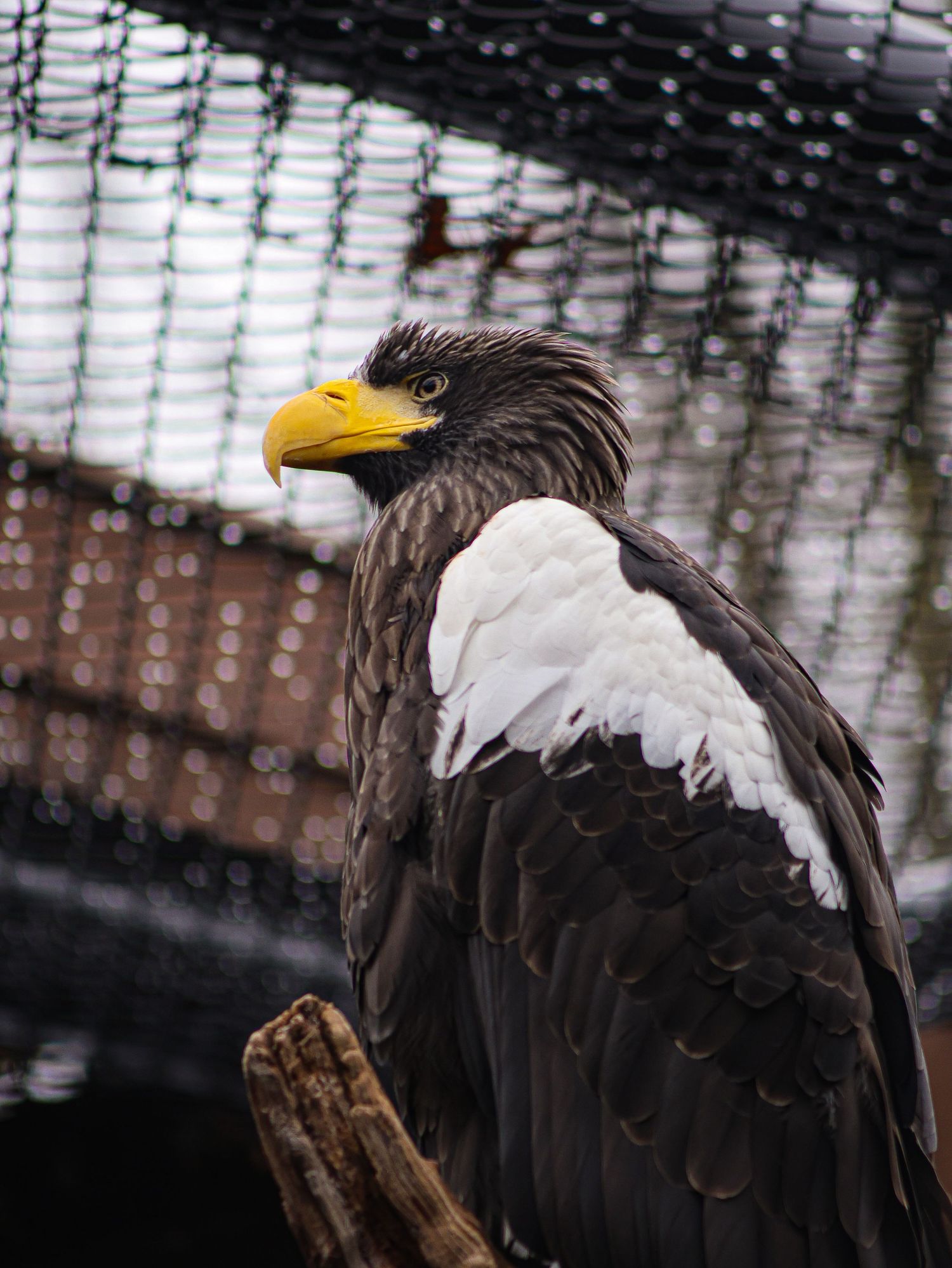
Steller's Sea Eagle
Steller’s sea eagles are among the largest and most powerful eagles in the world, with dramatic black, white, and yellow coloring.
Native to northeastern Asia, their sheer scale and piercing gaze made photographing them feel cinematic. Every movement carried a sense of authority and strength.
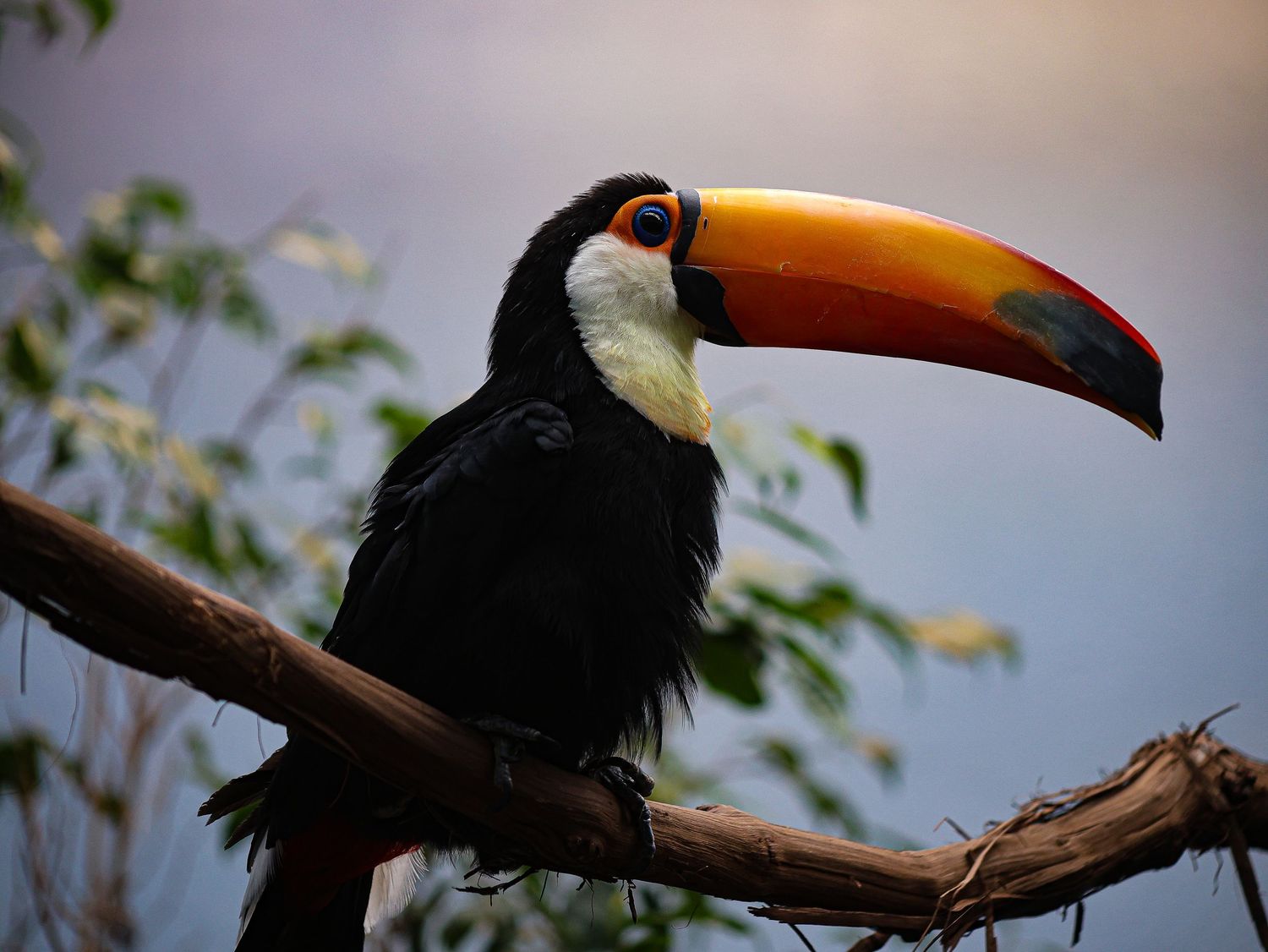
Toco Toucan
The toco toucan is famous for its oversized, brightly colored bill, which plays a role in temperature regulation as well as feeding.
Photographing this bird was all about color, contrast, and capturing that iconic profile. It brought a playful, tropical energy to the gallery.
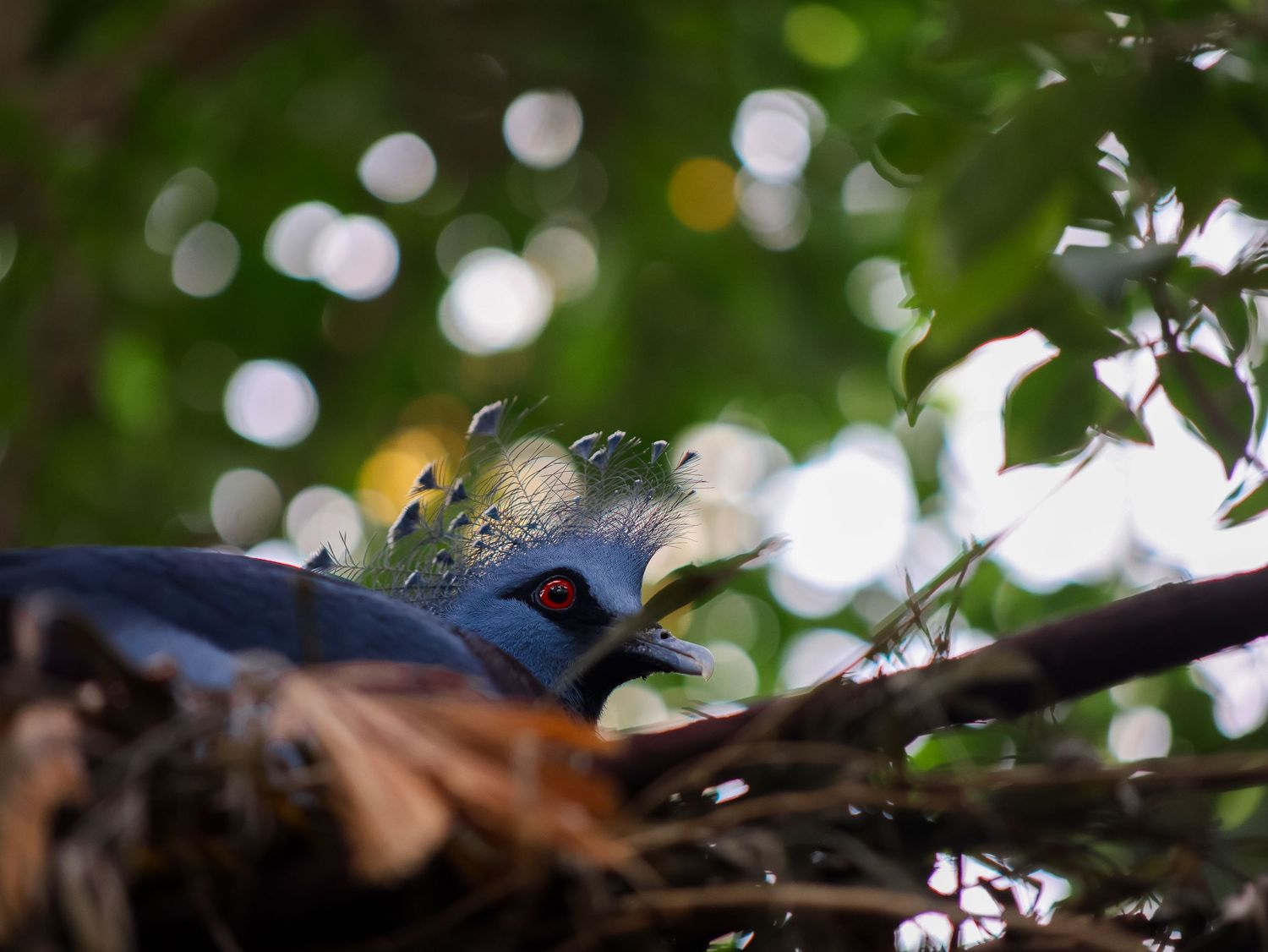
Victoria Crowned Pigeon
The Victoria crowned pigeon is one of the most regal birds at the aviary, known for its intricate blue lace-like crest.
Native to New Guinea, this species moved slowly and gracefully, making it perfect for portrait-style wildlife photography. Every frame felt elegant and composed.
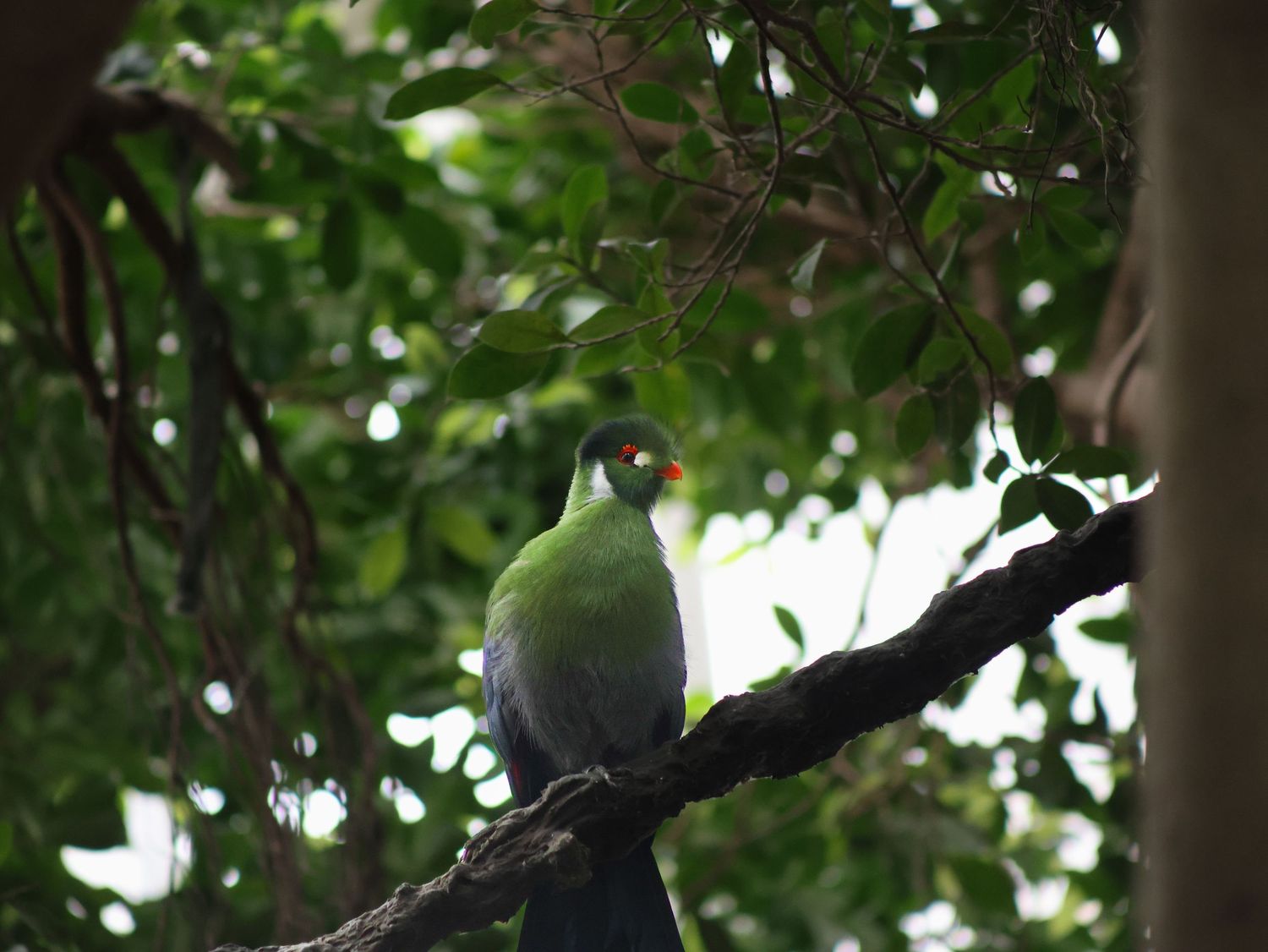
White-Cheeked Turaco
The white-cheeked turaco is a vibrant green bird with bold red and white facial markings.
Native to East Africa, it brought a pop of color and motion to the session. Photographing this species was all about capturing contrast and energy in a single frame.
A Day of Movement, Mindfulness, and Wildlife
This visit to the National Aviary felt like the perfect blend of creativity, wellness, and conservation. Starting the day with bird-themed yoga set the tone for slowing down, being present, and noticing the details — all of which carried into how I photographed each bird.
Experiences like this remind me why I love photography in all its forms. Whether I’m documenting people, events, or wildlife, the goal is always the same: to capture moments that feel alive, meaningful, and true.
Interested in Wildlife or Nature Photography?
If you love animal photography, conservation storytelling, or creative photo projects beyond traditional sessions, I’d love to explore that space more.