Learning Long Exposure Photography
One of the reasons I wanted to photograph the fireworks this year was to continue practicing long exposure photography. It's a technique I've always admired because of the way it transforms a split-second explosion into something much more dramatic. A single photograph can capture the full shape of a firework as it blooms across the sky, creating images that our eyes never actually see in real time.
At the same time, long exposure is one of those techniques that reminds me how much there is still to learn. Every decision matters, from shutter speed and aperture to exactly when you press the shutter. If your timing is slightly off, the image changes completely. There isn't one perfect formula either. Every fireworks show is different, which means every opportunity becomes another chance to experiment and figure out what works best.
What Is Long Exposure Photography?
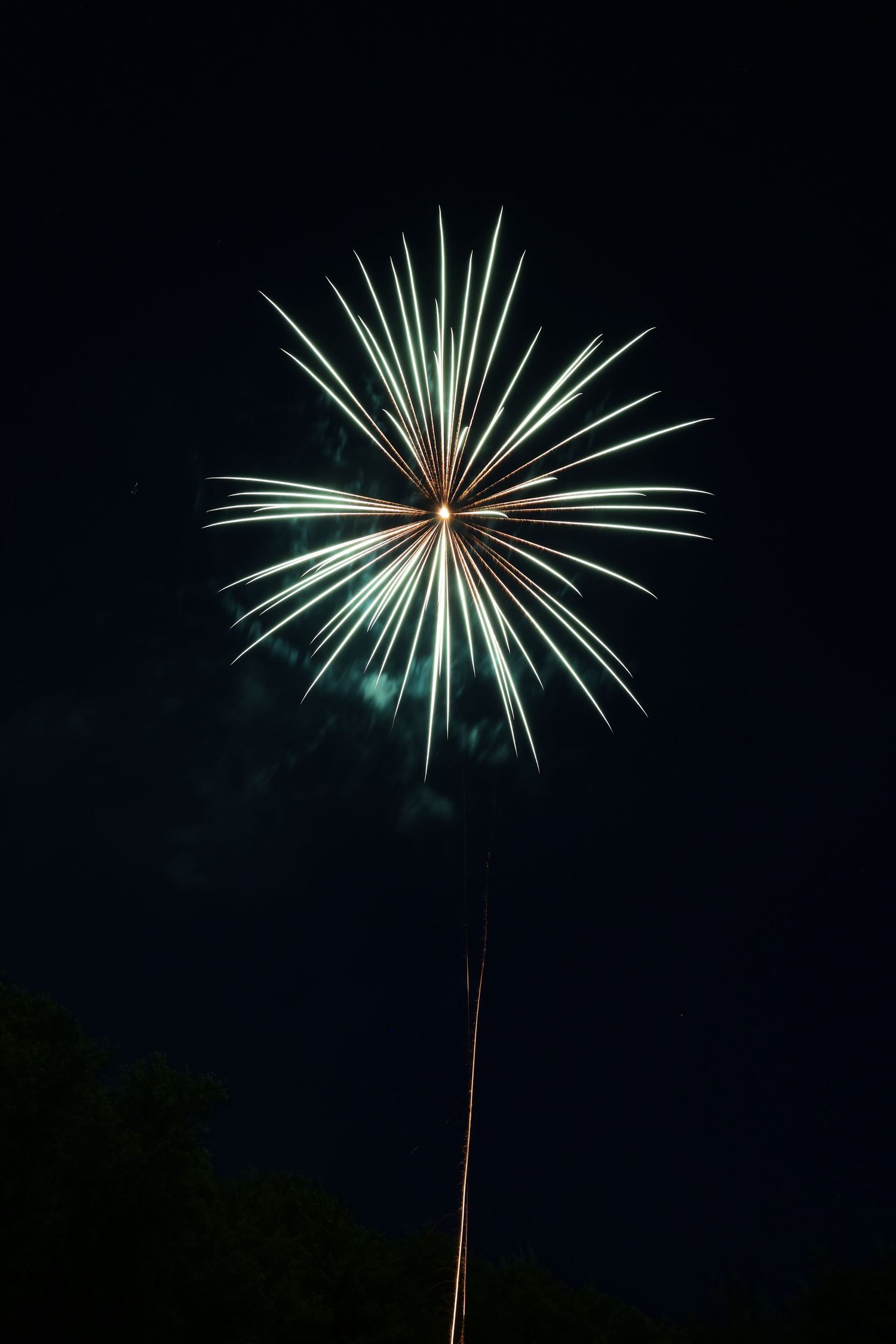
One of the techniques I used to photograph the fireworks is called long exposure photography. Instead of taking a photo in a fraction of a second like you normally would, the camera's shutter stays open for a longer period of time, allowing it to record movement as it happens. If you've ever used a Live Photo on an iPhone, it's a similar idea. The camera is capturing motion over time, but instead of ending up with a short video, all of that movement is blended into one final image.
That's why long exposure photos often look so different from what we see with our own eyes. Car headlights become streaks of light, waterfalls look soft and silky, stars appear to move across the sky, and fireworks transform into full, colorful bursts that seem to fill the frame. Rather than freezing a single instant, the camera captures everything that happens during those few seconds.
It's one of my favorite photography techniques because it combines both technical skill and creativity. There are settings to understand, but there's also plenty of room to experiment. Small adjustments to shutter speed, timing, or composition can completely change the final image, which means every attempt teaches you something new. That's a big reason why I keep coming back to it.
Some Images Worked Better Than Others
Looking through my photos afterward, I found myself smiling because I could see progress.
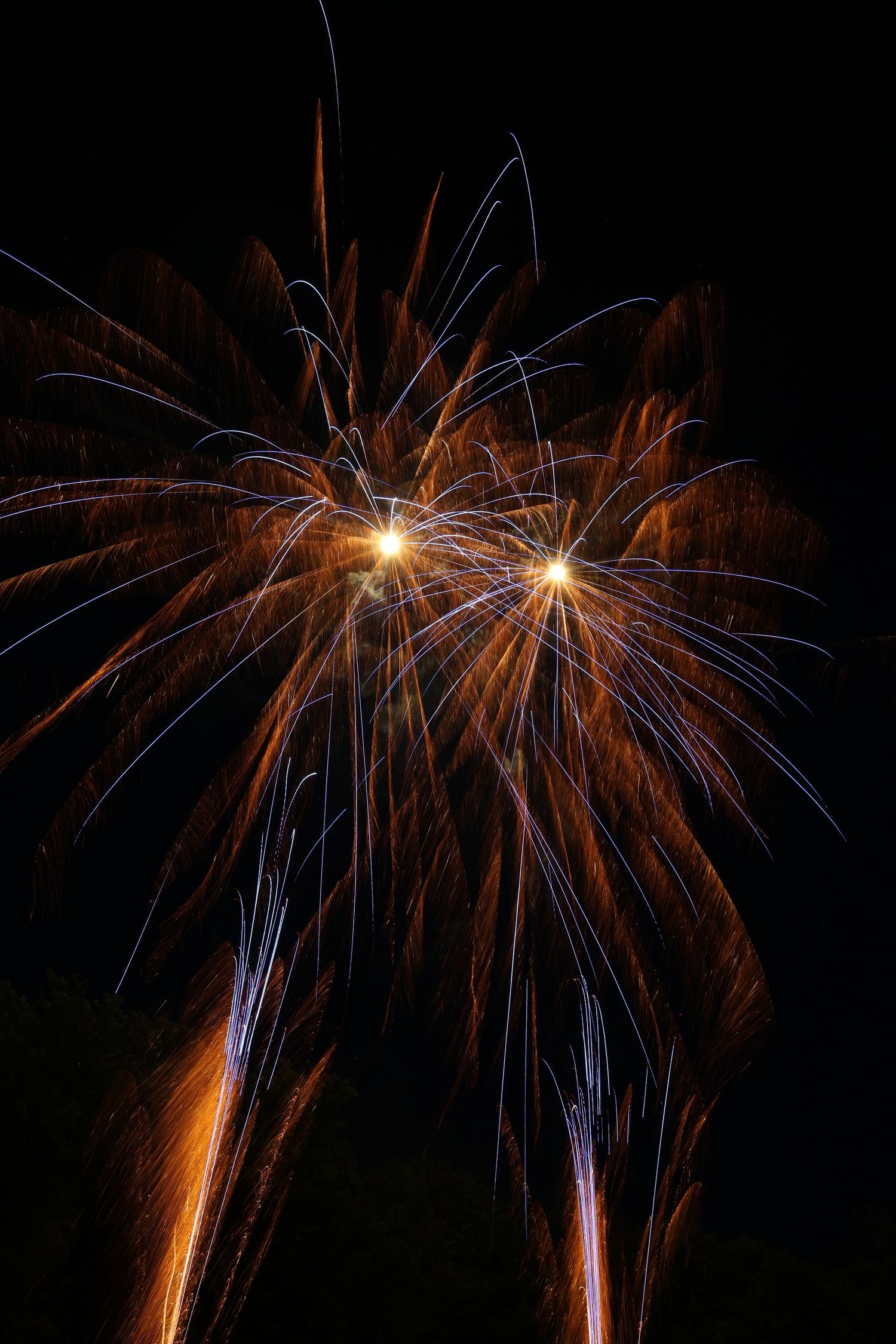
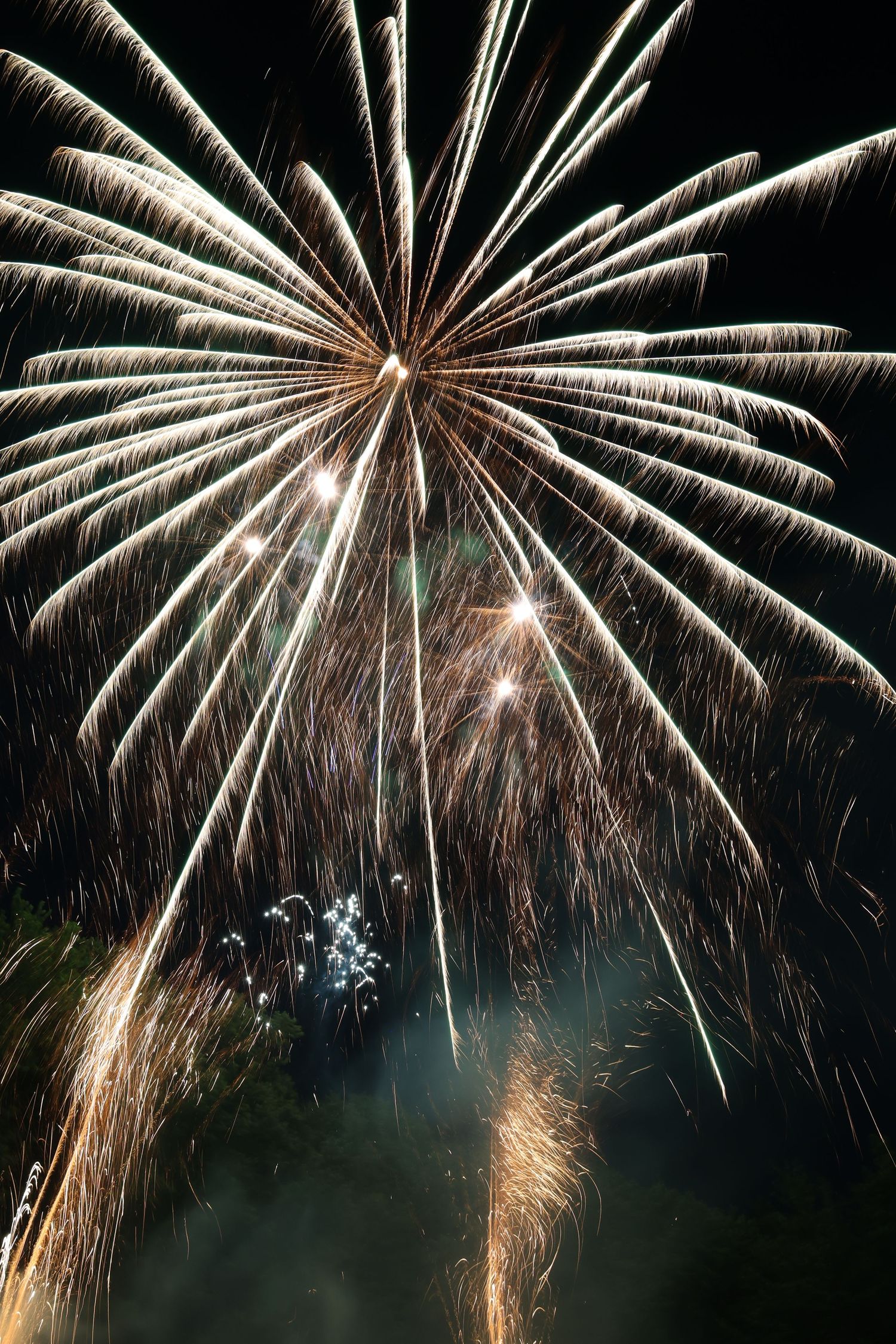
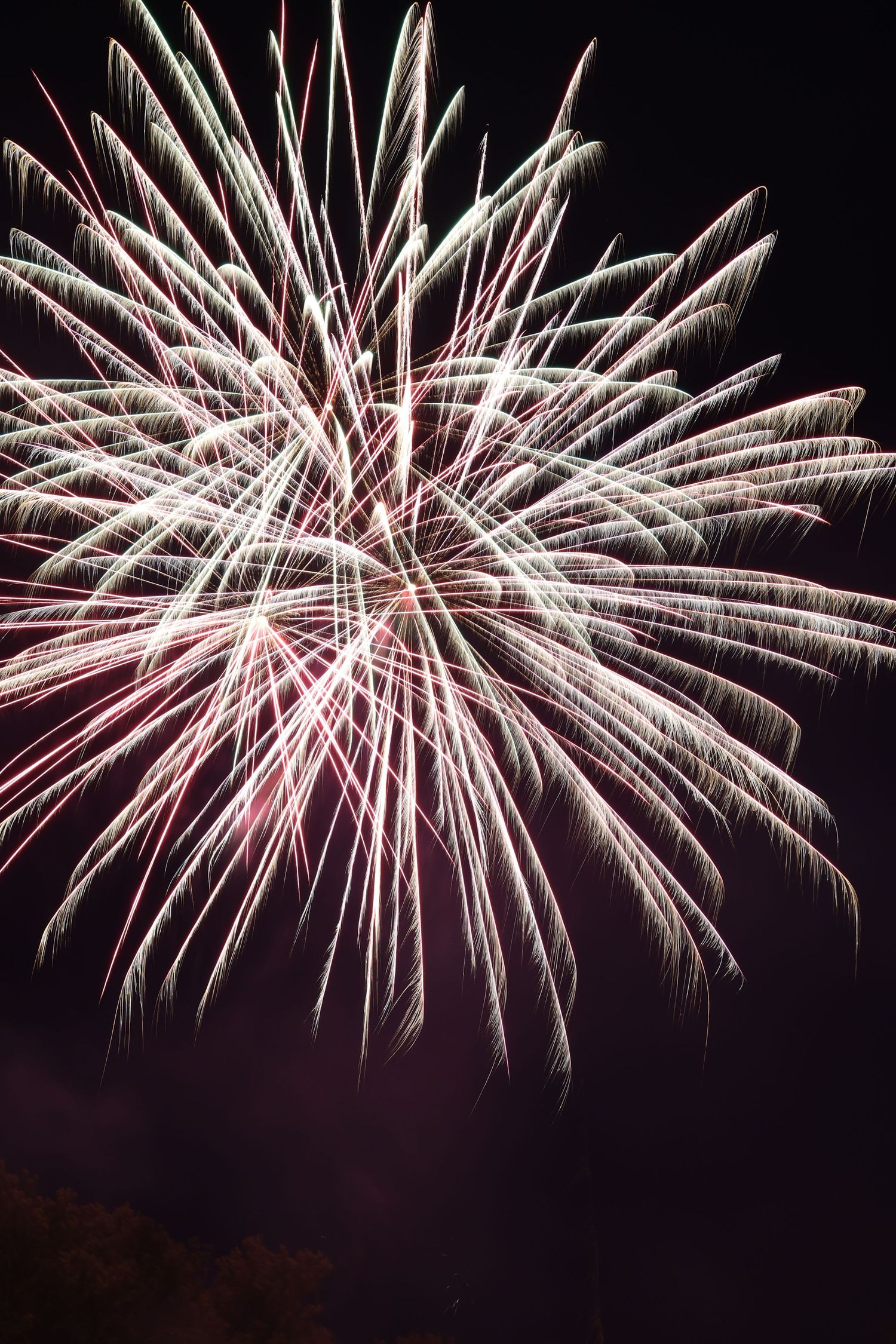
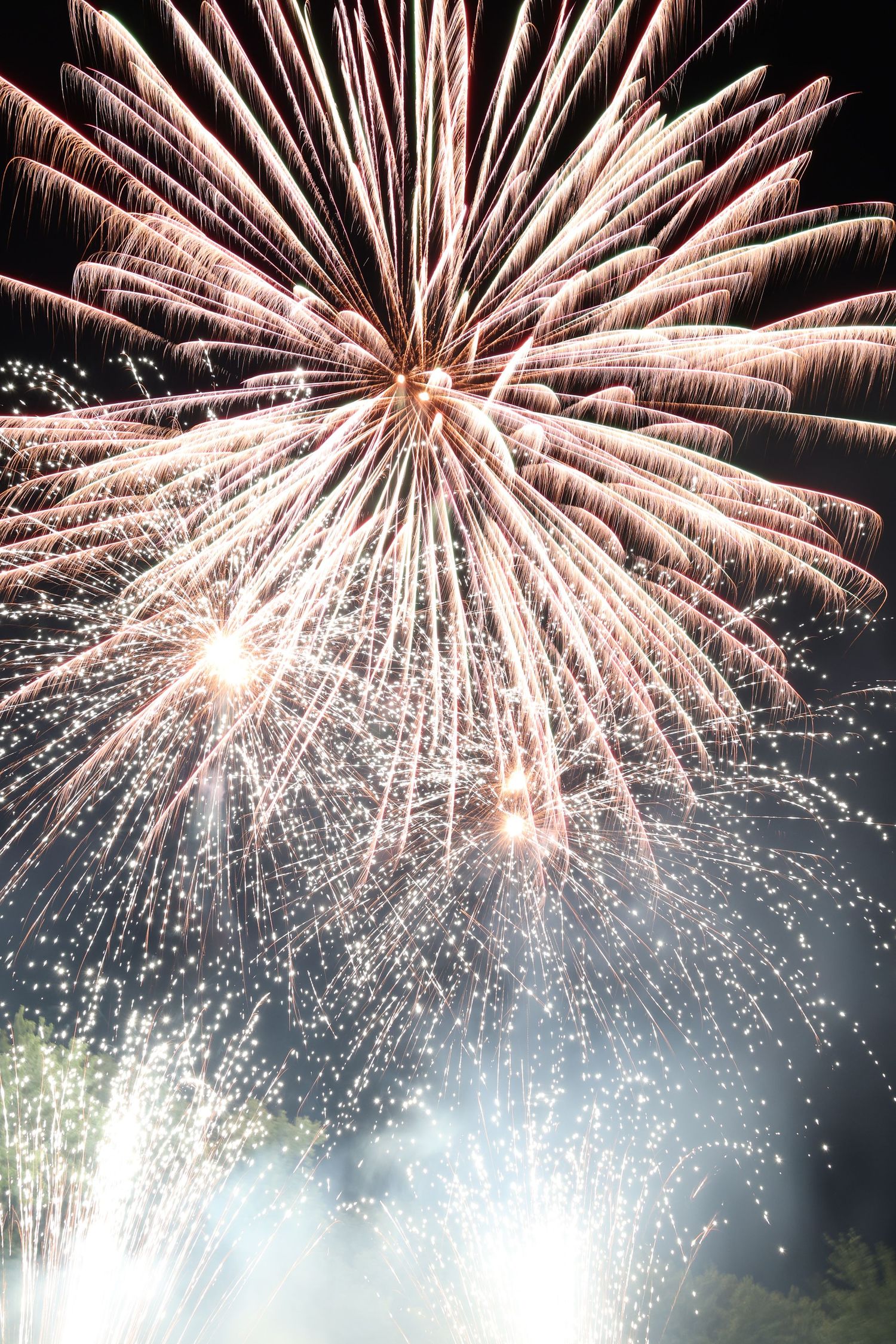
There were several images where the fireworks exploded exactly the way I had hoped. The trails stayed clean, the colors remained vibrant, and the long exposure created those full, symmetrical bursts that first made me want to learn this technique. Those are the kinds of images that make all the trial and error feel worth it.
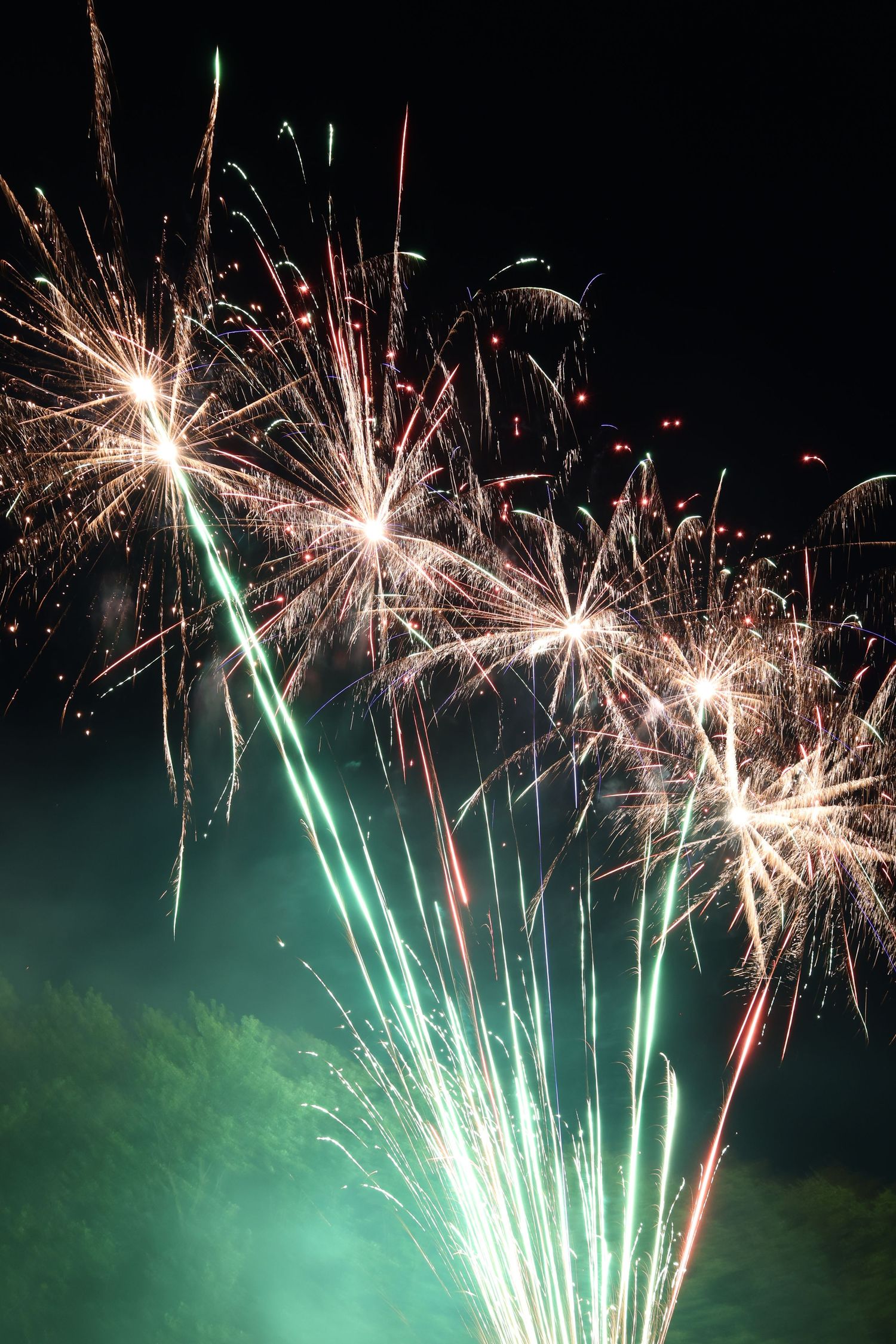
There were also plenty of photos that didn't quite work. Some exposures were too long, others too short, and a few simply didn't capture the moment the way I envisioned. But I've stopped looking at those as failures. They're simply part of learning. Every time I photograph something new, I leave with a better understanding of what I'll do differently next time.
Why I Enjoy Being a Beginner Again
One of the things I love about photography is that there is always another skill to develop.
Even after years of carrying a camera, there are still techniques that challenge me and push me outside of my comfort zone. Long exposure photography has become one of those areas. I'm comfortable with my camera, but I'm still figuring out how to consistently create the kinds of fireworks images I admire.
Oddly enough, I enjoy that feeling.
It's exciting to know there's always something new to learn. Every time I experiment with a different style of photography, I'm reminded that growth doesn't happen by getting everything right the first time. It happens by trying, reviewing your work, making small adjustments, and going out to do it again.
Sharing a Few Favorites
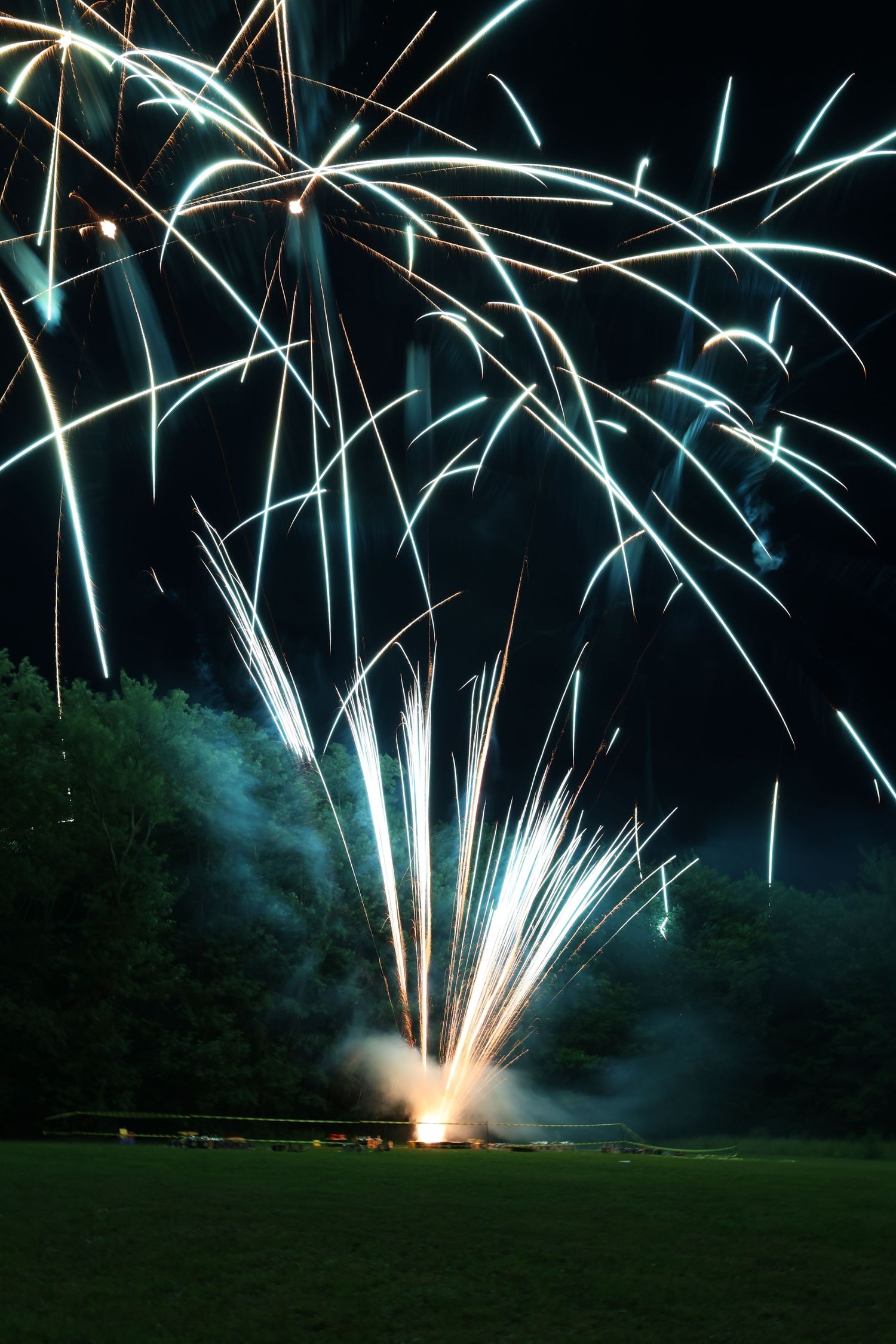
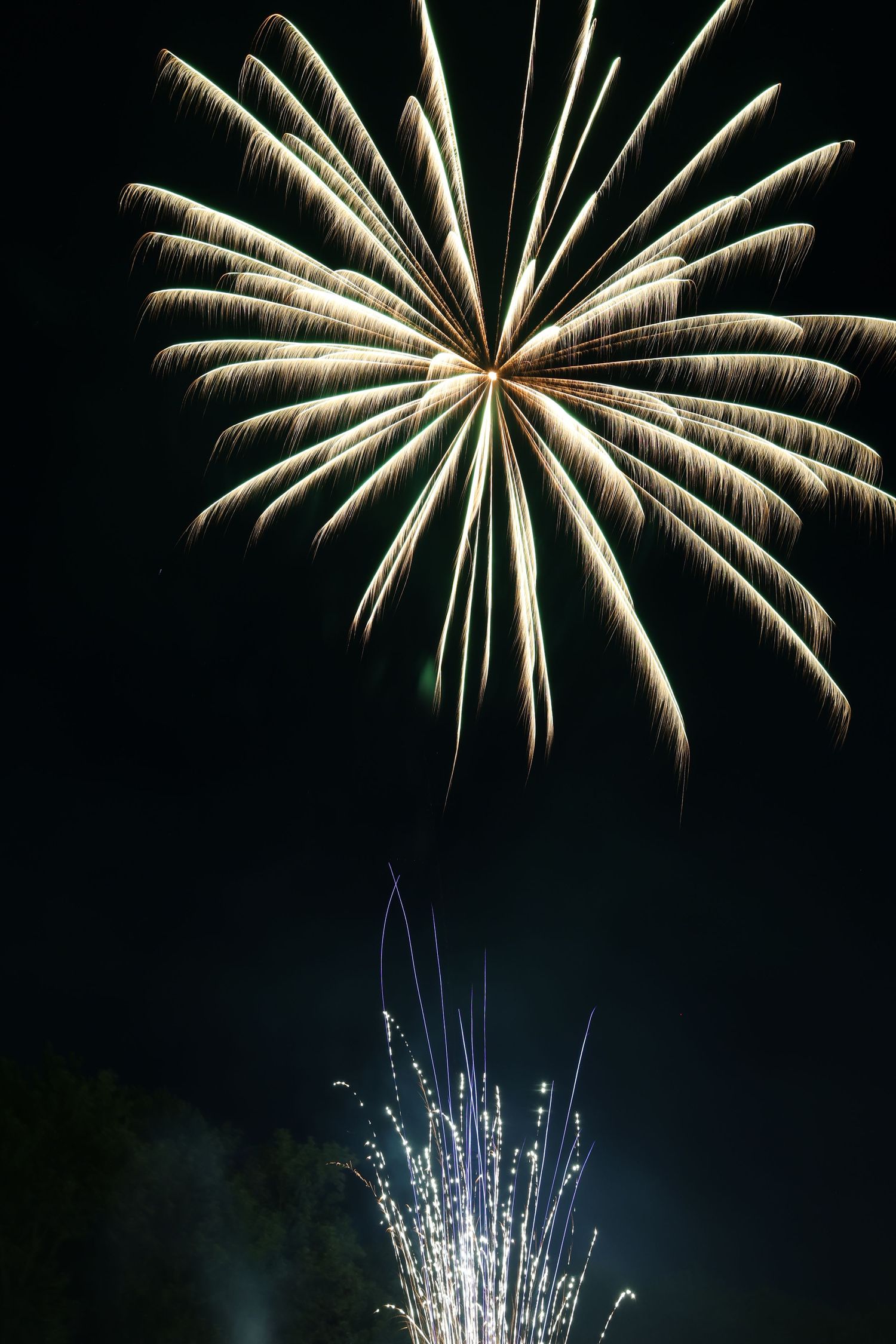
I've included a few of my favorite images from this year's fireworks because they represent both where I am now and where I hope to keep improving. Some turned out exactly as I imagined, while others surprised me in ways I wasn't expecting. Together, they tell the story of a photographer who's still learning, still experimenting, and still finding joy in the process.
Photography has taught me that you don't have to master something before you're allowed to enjoy it. Sometimes the most rewarding part is simply watching yourself get a little better every time you pick up the camera.
Final Thoughts
Watching fireworks has always been one of my favorite Fourth of July traditions, but photographing them has given me a completely different appreciation for the experience. Instead of simply watching the colors fill the sky, I find myself studying the light, anticipating each burst, and challenging myself to create something that feels both artistic and technically strong.
This year's photos reminded me that I'm making progress, even if I still have plenty to learn. I already have ideas for things I'd like to try differently next year, and honestly, that's one of my favorite parts of photography. No matter how much experience you have, there's always another technique to refine, another challenge to tackle, and another reason to pick up your camera again. Looking forward to seeing how else I can practice my long exposure photos.